What Is an OBS Truck and Why Is It Popular?
An OBS truck, or Old Body Style truck, is a rugged, boxy pickup built mainly between the late ’80s and ’90s by GM and Ford.
These trucks have a classic, straightforward design that really stands out for durability and simplicity. If you’re into trucks, you’ve probably noticed how iconic their look is — it’s all about that old-school American style.
People love OBS trucks because they’re super easy to customize and maintain. Whether you’re a weekend mechanic or just love a hands-on project, these trucks offer a perfect blend of timeless style and practical appeal.
Curious why they remain so popular? There’s a lot more to their design and culture that makes them cherished by enthusiasts everywhere.
Key Takeaways
- OBS trucks are pickup trucks from 1987-1998 with a boxy, rugged design. This includes models like the GM GMT400 and Ford eighth/ninth-generation F-Series.
- They have a timeless, classic American style that focuses on durability and straightforward mechanics. It’s less about modern aerodynamics and more about toughness.
- These trucks are super popular because they’re easy to customize. You can add lift kits, new paint jobs, and all kinds of performance upgrades without much hassle.
- Plus, their simple and tough construction means repairs and maintenance are pretty accessible. Enthusiasts love that they can tinker and modify them without needing fancy tools.
- Beyond that, OBS trucks hold cultural significance. They’re iconic and nostalgic, cherished by classic truck communities for their rugged, no-nonsense appeal.
What Is an OBS (Old Body Style) Truck? Definition and Origins
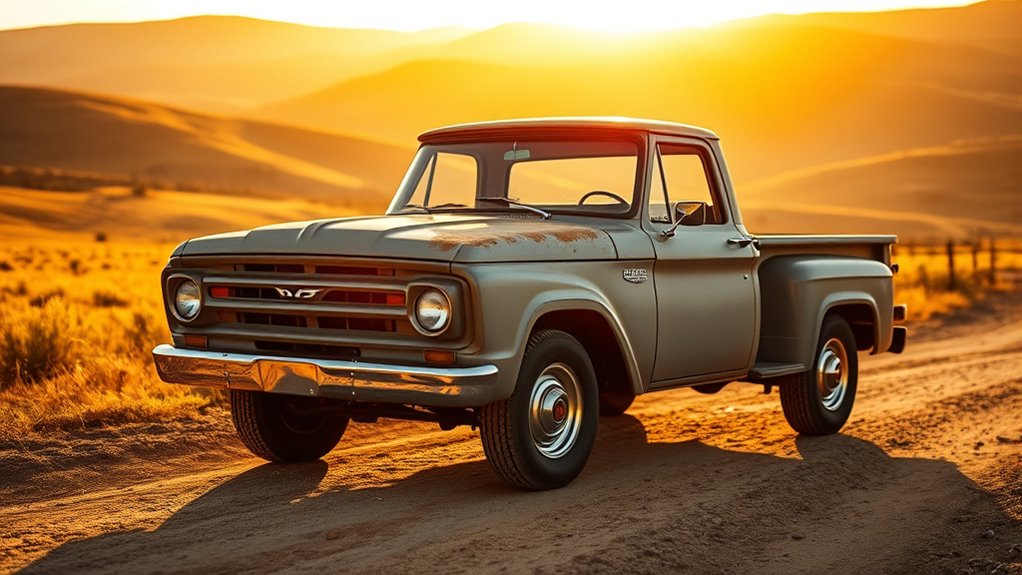
Although you might hear the term OBS thrown around a lot, it specifically refers to pickup trucks built between 1988 and 1998 with a distinct boxy, rugged design. OBS stands for Old Body Style and highlights a classic truck design that many consider timeless.
For GM trucks, OBS includes the GMT400 platform, covering Chevrolet OBS trucks like the C/K series and GMC Sierra models. Ford OBS trucks span the eighth and ninth-generation F-Series from 1987 to 1997, known for their straightforward, no-nonsense styling.
These retro pickup trucks stand out for their boxy and rugged appearance, making them an enthusiast favorite among classic trucks. The term OBS helps distinguish these trucks from the sleeker, more aerodynamic models that followed in the late 1990s.
While the exact definition of OBS can vary among fans, it generally points to this era of trucks that emphasize durability and classic aesthetics. So, when you hear OBS, think of trucks that are all about toughness and timeless style.
Why Enthusiasts Love OBS Trucks: Design, Culture, and Customization
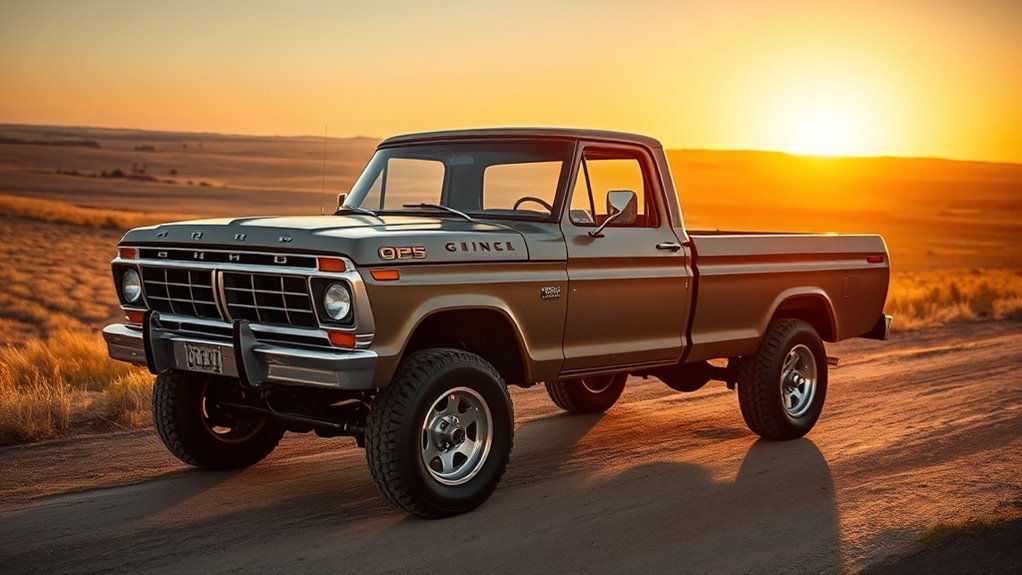
When you look at OBS trucks, you’ll quickly see why enthusiasts love them—they combine a simple, rugged design with a classic American vibe that never goes out of style. Their boxy shape and classic design create a rugged aesthetic that stands out on the road.
OBS trucks blend timeless American style with rugged simplicity, creating a standout, boxy design that never fades.
You’ll appreciate how easy it is to personalize these trucks, thanks to a vast selection of aftermarket parts and upgrades. Whether you’re into paint jobs, lighting enhancements, lift kits, or performance tweaks, OBS trucks offer the perfect canvas for customization.
Beyond looks, their durable construction and straightforward mechanics make maintenance and modification accessible, fueling a passionate automotive culture. These trucks aren’t just vehicles; they’re American icons celebrated for their heritage and versatility.
When you immerse yourself in the world of OBS trucks, you join a community that values individuality, nostalgia, and hands-on customization, keeping these classic trucks alive and thriving.
Frequently Asked Questions
Why Are OBS Trucks so Popular?
You love OBS trucks because they’re tough, easy to fix, and perfect for customizing. Their classic style and nostalgic vibe stand out.
Plus, parts are affordable, making them ideal for projects and collectors who appreciate durability and simplicity.
What Are the Common Problems With OBS Trucks?
You’ll love the rugged look but face rust creeping on frames and panels. Electrical glitches and cooling leaks contrast with durable design.
Transmission issues and worn suspension parts sneak in, especially if you push your truck hard. It’s just something to watch out for as you keep your OBS running smooth.
What Is the Most Sought After OBS Truck?
You’ll want the 1994.5-1997 Ford F-250/F-350 Aeronose with the 7.3L Power Stroke diesel engine. It’s prized for its legendary durability, performance, and strong aftermarket support.
That’s what makes it the most sought-after OBS truck. Seriously, it’s hard to beat when it comes to reliability and power.
When Did Chevy Stop Making OBS Trucks?
Chevy stopped making OBS trucks in 1998. If you’re looking for one, remember that year marks the end of the classic design.
After that, they switched to the newer GMT800 platform and Silverado models. So, 1998 is kind of a milestone for Chevy trucks.
Conclusion
You’ve seen how an OBS truck isn’t just a ride—it’s a rolling time machine, echoing the rugged spirit of the past with every rumble. Its classic design and endless customization options make it a canvas for your automotive dreams.
When you get behind the wheel, you’re not just driving; you’re steering a story, one that blends nostalgia with your own unique style. That’s why OBS trucks keep hearts racing and roads calling.
In short, an OBS truck offers more than just transportation—it’s a connection to automotive history with a personalized touch. Its popularity comes from that perfect mix of vintage charm and modern customization, making each truck a true reflection of its owner’s passion. Whether you’re cruising city streets or hitting backroads, the OBS truck turns every journey into an unforgettable experience.


2 Comments