10 Factors That Affect How Much It Does Cost to Get a Car Wrapped
You’ll find car wrap costs vary widely based on 10 key factors that influence the final price. Your vehicle’s size is a big one—it impacts both material and labor expenses. For example, larger SUVs generally cost more to wrap than smaller sedans.
The type and quality of vinyl also play a big role. Premium vinyl options tend to be more expensive but last longer, which can be worth it in the long run.
Design complexity and surface preparation add to the cost too. The more intricate the design, the more time and skill required.
Finish choices like matte, gloss, or chrome can change the price as well.
Plus, where you live affects labor rates and material availability. And don’t forget whether you want a full or partial wrap—this makes a difference in both cost and time.
Keep exploring to uncover all the details that shape your final price.
Key Takeaways
- Vehicle size impacts cost, with larger SUVs and trucks requiring more material and labor than smaller sedans. So, if you have a big ride, expect to pay a bit more.
- Vinyl material quality and finish, like premium or specialty chrome, significantly affect price and durability. Choosing high-end materials can really bump up the price, but they usually last longer.
- Design complexity and graphics increase costs due to detailed cutting, installation, and longer labor hours. The more intricate your design, the more time and skill it takes to get it just right.
- Professional installation and thorough surface preparation are essential for durability, adding to overall expenses. Skipping these steps might save money upfront, but could cost you in the long run.
- Geographic location influences pricing due to labor rates, overhead, and regional demand variations. So, where you live can play a big role in how much you’ll pay for a wrap.
Typical Car Wrap Cost Ranges and Examples
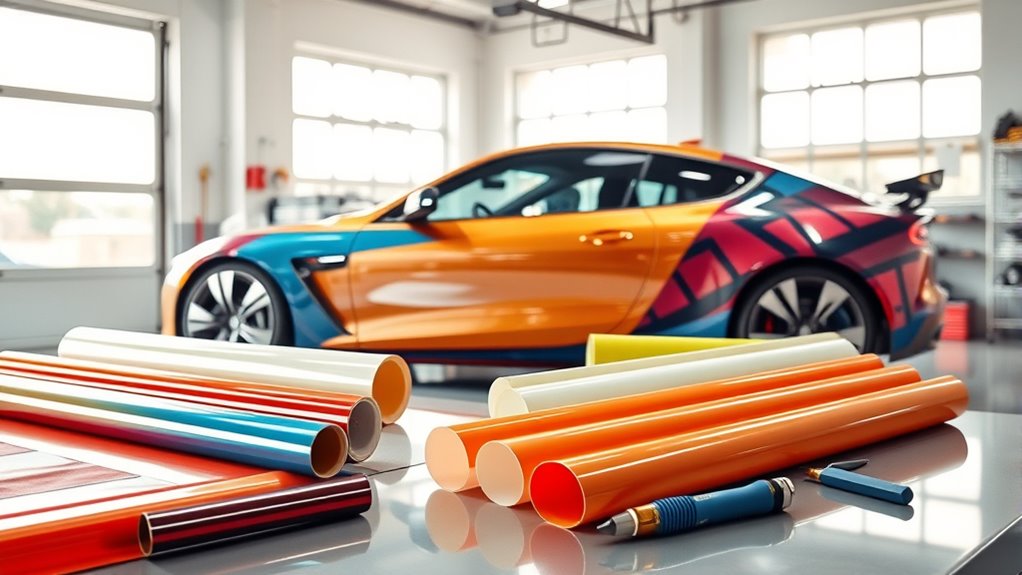
When budgeting for a car wrap, you’ll typically spend between $2,000 and $5,000 for a full wrap, depending on your vehicle’s size and the quality of materials used. These car wrap costs mainly hinge on the vinyl wrap’s material quality and labor costs.
Choosing premium vinyl helps your wrap last longer, protecting your investment. If you’re opting for a custom car wrap with intricate graphics or complex design complexity, expect the price to rise considerably, sometimes surpassing $10,000.
Full car wraps cover your entire vehicle, offering maximum impact but at a higher cost than partial wraps, which range from $500 to $1,500. While DIY wrapping might reduce upfront expenses, it often compromises quality and durability.
How Vehicle Size Influences Wrap Cost
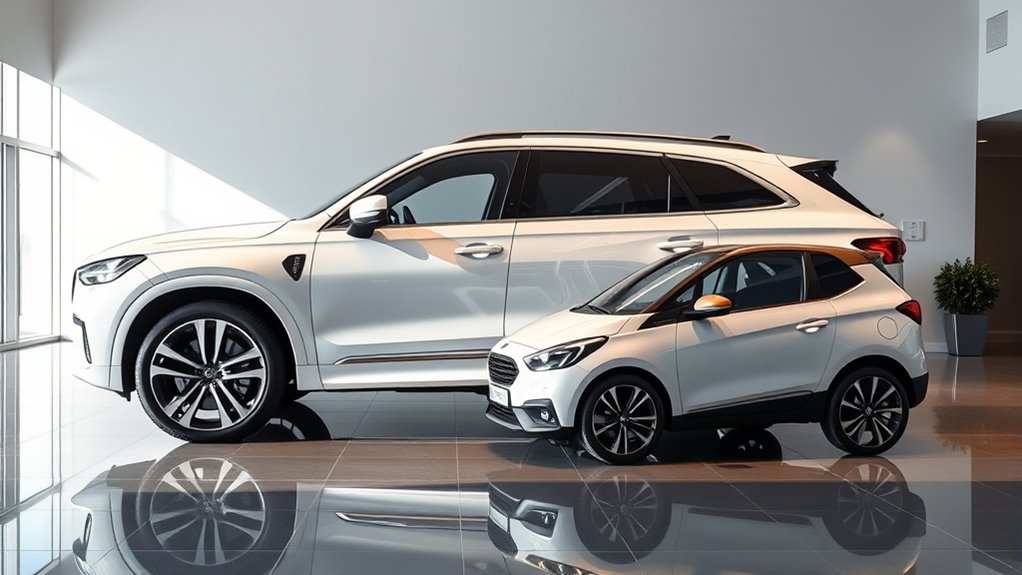
Several factors tied to your vehicle’s size directly impact the cost of a car wrap. When you own larger vehicles like an SUV or truck, wrapping costs rise because these require considerably more vinyl material to cover the increased surface area.
Vehicle size greatly affects car wrap costs due to increased material and labor for larger models.
The bigger the vehicle size, the more time labor takes for installation, pushing expenses higher. It’s not just about the amount of material; larger vehicles often involve more complex installation processes, sometimes needing specialized equipment and skilled installers.
On the other hand, smaller cars, such as sedans, tend to cost less since they have a reduced surface area and require less labor time. So, if you’re considering a full vehicle wrap, keep in mind that the size of your vehicle plays a key role in determining the total price.
Understanding this helps you budget better and avoid surprises during installation. It’s always good to know what you’re getting into before the process starts!
Types and Quality of Vinyl Material Used
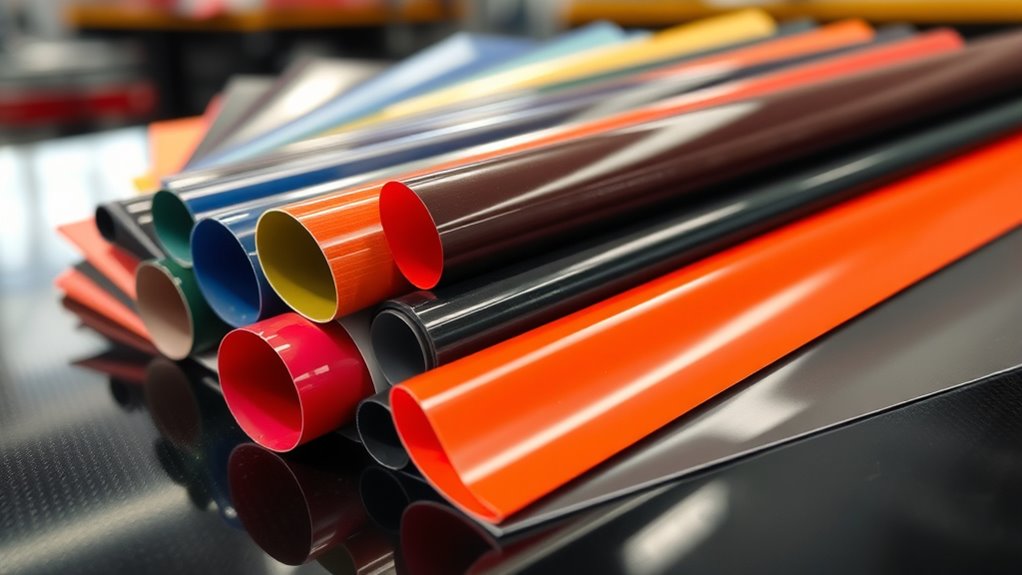
Vehicle size isn’t the only factor that influences the cost of a car wrap—what kind of vinyl you choose also plays a big role. The cost of vinyl material varies widely, with premium vinyl like 3M or Avery Dennison priced between $9 to $15 per square foot, while standard vinyl typically costs $5 to $8.
Material quality directly affects durability; premium vinyl often lasts 7 to 10 years, resisting UV rays, scratches, and environmental damage better than lower-grade options that may only last 3 to 5 years.
Additionally, finish options such as chrome, matte, or metallic add $2 to $5 per square foot to the total cost. These finish options influence both the look and the wrap’s ability to withstand harsh conditions.
When selecting vinyl material, weighing upfront cost against long-term performance helps guarantee you get the best value for your investment without compromising on appearance or protection.
Benefits of Premium Vinyl Wraps for Cost and Durability
When you choose premium vinyl wraps, you get enhanced longevity and strong protection against wear and fading. These high-quality materials keep your vehicle looking sharp with vibrant colors and a smooth finish.
Over time, this means you save money by avoiding frequent repairs and replacements. It’s a smart investment that pays off by keeping your ride looking great for longer.
Enhanced Longevity And Protection
Although premium vinyl wraps may cost more upfront, they offer enhanced longevity and protection that make them a smart investment. Their superior material quality ensures excellent UV resistance, preventing fading and environmental damage.
This durability extends the lifespan of the wrap up to 10 years, preserving your vehicle’s original paint and reducing repair needs. By choosing premium wraps, you protect your car better and potentially boost its resale value.
| Feature | Standard Wraps | Premium Wraps |
|---|---|---|
| Lifespan | 3-5 years | Up to 10 years |
| UV Resistance | Moderate | High |
| Protection | Basic | Superior |
| Vehicle Preservation | Limited | Excellent |
Superior Visual Appeal
Because premium vinyl wraps use high-quality materials like 3M or Avery Dennison, you get a smoother, more reflective surface that keeps your car looking vibrant and polished for years. The superior material quality of premium vinyl not only boosts durability but also markedly enhances visual appeal.
These wraps resist fading, cracking, and peeling, preserving vibrant colors and intricate designs far better than standard options. Plus, advanced finishes such as chrome, metallic, or pearlescent offer eye-catching effects that make your vehicle stand out.
When you choose premium vinyl wraps, you’re investing in a finish that delivers sophisticated textures and long-lasting brilliance. This means your car maintains a professional, high-end look that truly reflects your style and attention to detail.
Cost Efficiency Over Time
How long can a vinyl wrap really protect your car and save you money? Premium vinyl wraps, like those from 3M or Avery Dennison, offer impressive durability and UV resistance, lasting up to 10 years.
While they cost more upfront, their superior material quality delivers excellent cost efficiency by minimizing fading, cracking, and peeling. This means you’ll face fewer maintenance costs and less frequent reapplication compared to cheaper options.
Over the wrap’s extended lifespan, you gain long-term value by preserving your car’s appearance and resale value. Investing in premium vinyl pays off because it reduces the need for repairs and replacements.
How Design Complexity Affects Your Wrap Price
When you choose a simple wrap with solid colors or basic logos, you’ll save money because it’s quicker and easier to install.
Complex designs with custom graphics or multiple colors demand more time and skill, which can add hundreds to your cost.
Simple Vs. Complex
Although simple, solid color wraps usually fall between $2,000 and $4,000, opting for a complex design can push your costs beyond $10,000. Simple wraps involve straightforward installation with minimal graphics and fewer materials, keeping labor and cost down.
On the other hand, complex designs with intricate graphics and multiple colors demand more labor and specialized materials. These details increase installation time and require precise cutting and fitting, which adds to the overall cost.
Complex wraps often need custom vinyl films and extra finishing touches to guarantee a flawless look. So, when choosing between simple and complex, remember that the more detailed your design, the higher your labor, materials, and installation expenses will be.
Your budget should reflect the complexity you want in your car wrap.
Custom Graphics Costs
Because intricate custom graphics demand extra design time and specialized skills, they can add $200 to $500—or more—to your wrap’s cost. The design complexity plays a big role, especially with multi-color logos and detailed illustrations that require multiple vinyl cuts and overlays.
The more layers involved, the higher the price. Your wrap’s level of customization, including special finishes like chrome or textured effects, also affects the final cost. These finishes not only increase material expenses but extend application time, requiring skilled installers to handle the complexity.
On the other hand, simpler, single-color designs cost less because they need fewer vinyl cuts and less labor. So, when choosing custom graphics, consider how the design complexity will influence both the price and the time it takes to complete your car wrap.
Professional Installation Fees and Their Impact
Since professional installation fees usually range from $3 to $4 per square foot, they play a major role in your total car wrapping cost. When you hire skilled installers, you’re paying for labor costs that guarantee high application quality, reducing risks like bubbles and wrinkles.
This not only looks better but extends the wrap’s lifespan. Installation fees also vary depending on your vehicle size and installation time; larger or more complex vehicles naturally require more labor hours.
Choosing certified professionals may mean higher rates, but you gain peace of mind with better warranty coverage and expert surface preparation. Investing in quality professional installation helps you avoid premature peeling and costly reapplications.
Prep Work and Surface Condition Costs to Consider
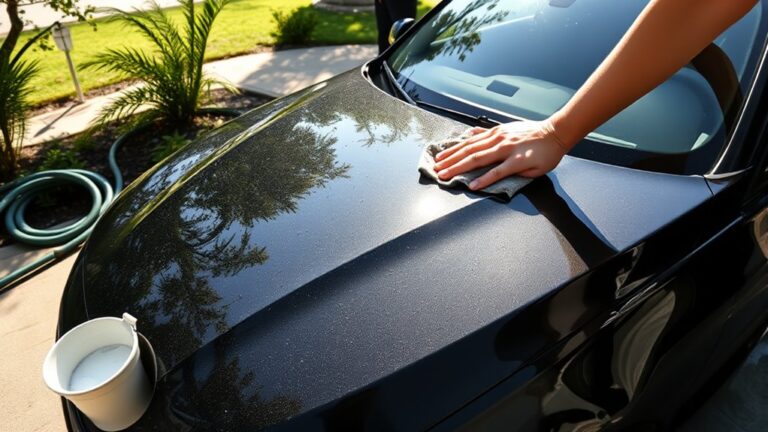
When preparing your vehicle for a wrap, you’ll need to invest in proper surface prep to guarantee the vinyl adheres correctly. Surface preparation typically includes thorough surface cleaning and polishing, costing between $100 and $300.
If your vehicle condition shows paint damage or imperfections, expect repair costs to add $200 to $500. These repairs are essential because poor surface condition can increase installation costs by extending labor time due to additional surface smoothing needs.
Cars with complex contours or moldings demand more prep work, raising prep expenses. Skipping or skimping on surface prep risks poor vinyl adhesion, leading to premature wrap failure or costly reapplications.
Ultimately, thorough surface preparation ensures your wrap looks flawless and lasts longer. It’s a critical part of the overall cost to consider when getting your car wrapped.
Wrap Finish Options: Matte, Glossy, and Chrome Pricing
When choosing your car wrap finish, you’ll find glossy wraps are the most affordable and common option. They typically cost between $2,000 and $5,000.
Matte finishes add a unique look but usually run $500 to $1,500 more due to their specialized application. It’s a great choice if you want something a bit different.
Chrome wraps are the priciest, often adding $1,000 to $3,000 because of their complex installation and luxurious shine. They really make your car stand out!
Matte Wrap Cost
How much you pay for a matte car wrap depends on several factors like vehicle size and design complexity. Matte wrap cost usually ranges between $2,000 and $5,000 for a full vehicle.
The price variation comes from the quality of vinyl, the intricacy of the design, and the specialized application process. Matte finish options generally cost slightly more than standard gloss wraps due to premium materials.
Keep in mind, chrome or specialty matte finishes can push costs well beyond $10,000.
| Factor | Impact on Cost |
|---|---|
| Vehicle Size | Larger vehicles cost more |
| Design Complexity | Intricate designs increase price |
| Material Quality | Premium vinyl raises cost |
| Application Process | Specialized techniques add to cost |
Glossy Finish Pricing
While matte wraps offer a subtle, sophisticated look, opting for a glossy finish can give your vehicle a vibrant, eye-catching shine. Choosing a glossy finish typically adds $500 to $1,500 to the overall wrapping cost due to the premium vinyl used and the more meticulous application process.
High-quality glossy vinyl enhances color depth and offers better durability with superior UV resistance. So, it’s not just about looks—it’s about lasting quality too.
Consider these factors when budgeting for a glossy wrap:
- Premium vinyl quality increases price but boosts longevity and appearance.
- Careful application is essential to achieve that smooth, reflective surface.
- Additional surface preparation may raise the overall cost.
All these things add up, but the result is definitely worth it if you want that brilliant shine on your ride.
Chrome Wrap Expenses
Although chrome wraps deliver a striking, mirror-like finish that turns heads, they come with a higher price tag than matte or glossy options. The cost of chrome wraps varies based on vehicle size, design complexity, and installation requirements.
Specialized techniques increase labor costs, especially for premium finishes like chameleon or color-shifting effects. While chrome wraps offer comparable durability to other vinyl options, you’ll need to prioritize maintenance to avoid scratches and fading.
| Factor | Details | Price Range |
|---|---|---|
| Vehicle Size | Small to large vehicles | $4,000 – $10,000 |
| Design Complexity | Simple to intricate patterns | $9 – $15 per sq. foot |
| Installation | Specialized labor needed | Higher labor costs |
Understanding these factors helps you budget wisely for your chrome wrap.
How Geographic Location Changes What You Pay
Because geographic location influences many factors, you’ll often pay more for car wrapping in major cities where labor rates and living expenses run higher. Urban areas tend to have increased overhead costs for shops, which directly raises installation costs.
Plus, regional market demand and competition impact pricing, sometimes making wraps more affordable in less populated areas. The availability and cost of materials and skilled installers also change depending on where you are, which further affects your final price.
Don’t overlook geographic differences in taxes and licensing fees, as these can add to the total cost.
Consider these location-driven factors that shape what you pay:
- Labor rates and overhead costs: Higher in urban areas due to living expenses and shop rent.
- Materials and installer availability: Vary by region, influencing installation costs.
- Taxes and licensing fees: Differ geographically, affecting regional pricing.
Understanding geographic location helps you anticipate and compare wrap costs more effectively.
Comparing Full and Partial Car Wrap Costs
When deciding how much to invest in a car wrap, you’ll find that full and partial wraps differ markedly in cost. A full wrap typically ranges from $2,000 to $5,000, covering your entire vehicle for a complete transformation.
This involves more material and labor, which naturally drives up the costs, especially if your vehicle size is larger or your design is intricate.
On the other hand, partial wraps usually cost between $500 and $1,500, focusing coverage on specific sections like the hood, doors, or roof. This option suits you if you want to customize without stretching your budget too far.
Ultimately, choosing between a full wrap and partial wraps depends on your budget, the desired coverage, and the design complexity you want. By weighing these factors, you can pick the option that best balances aesthetics with expenses.
Frequently Asked Questions
Is There a Downside to Wrapping a Car?
Yes, you might face peeling, bubbling, or damage if the wrap isn’t installed properly. Removal can be costly and risky, too.
And wraps may fade or require repairs over time, adding unexpected expenses you’ll want to avoid. It’s definitely something to keep in mind before you decide to wrap your car.
How Much Does It Cost to 2 Wrap a Car?
You might be surprised, but wrapping your car twice typically doubles the cost, ranging from $4,000 to $10,000.
It’s a serious investment, but if you want that fresh, bold look, it’s worth it.
How Long Will a Car Wrap Last?
A car wrap typically lasts between 3 to 7 years. But if you use high-quality vinyl and care for it properly, like avoiding harsh weather and abrasive cleaners, you could enjoy your wrap for up to a decade.
Does Wrapping a Car Decrease Its Value?
In the age of chariots, wrapping your car won’t necessarily decrease its value if you choose a professional job. You’ll protect the paint, and removing the wrap carefully keeps your car looking fresh for resale.
It’s actually a smart way to keep your ride looking new. Just make sure the wrap is done right, and you’re good to go!
Conclusion
When you decide to wrap your car, remember it’s more than just a price tag—it’s an investment in style and protection. From the size to the vinyl quality, every detail shapes your final cost.
Think of your car as a canvas, ready to transform with your vision. So, weigh your options wisely.
Because the right wrap doesn’t just cover your ride—it makes it uniquely yours, turning heads wherever you go. When considering car wraps, factors like material quality, design complexity, and vehicle size all affect the total price.
Choosing the perfect car wrap means balancing cost with style and durability, ensuring your investment truly pays off in both protection and standout appearance.

2 Comments