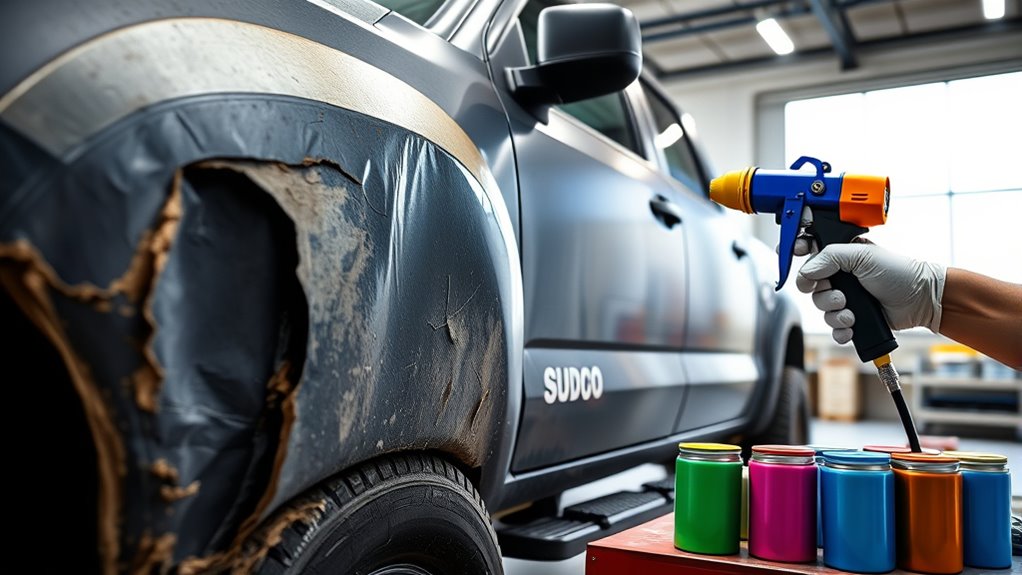
3 Key Factors That Affect How Much It Does Cost to Paint a Truck
When painting your truck, three key factors will affect the cost. The size of your truck is a big deal because bigger trucks need more paint, labor, and specialized tools, which can really add up.
Also, if your truck has rust, dents, or surface damage, those issues need repairs first. That means extra time and material costs.
Then, there’s the style you want. Custom designs and specialty finishes aren’t just fancy—they usually require more labor and special materials, so they can increase the price quite a bit.
Keeping these factors in mind can help you plan your budget better. Stick around to learn how each one shapes your final price and what you can expect when getting your truck painted.
Key Takeaways
- Larger trucks require more paint, labor, and specialized equipment, which can really bump up the painting costs. It’s not just about the size; the tools needed are different too.
- Surface damage like rust and dents means more prep time. So, you’ll end up paying extra for repairs before the actual painting begins.
- Custom finishes, graphics, and specialty coatings? They add a good chunk to the overall price. If you want something unique, be ready to spend more.
- Extensive repairs for corrosion or body damage can cost hundreds. These repairs definitely affect the final estimate, so keep that in mind.
- Workspace needs and specialized tools can increase shop fees. This, in turn, adds to the overall painting expenses. It’s not always obvious, but it matters.
Why Bigger Trucks Cost More to Paint
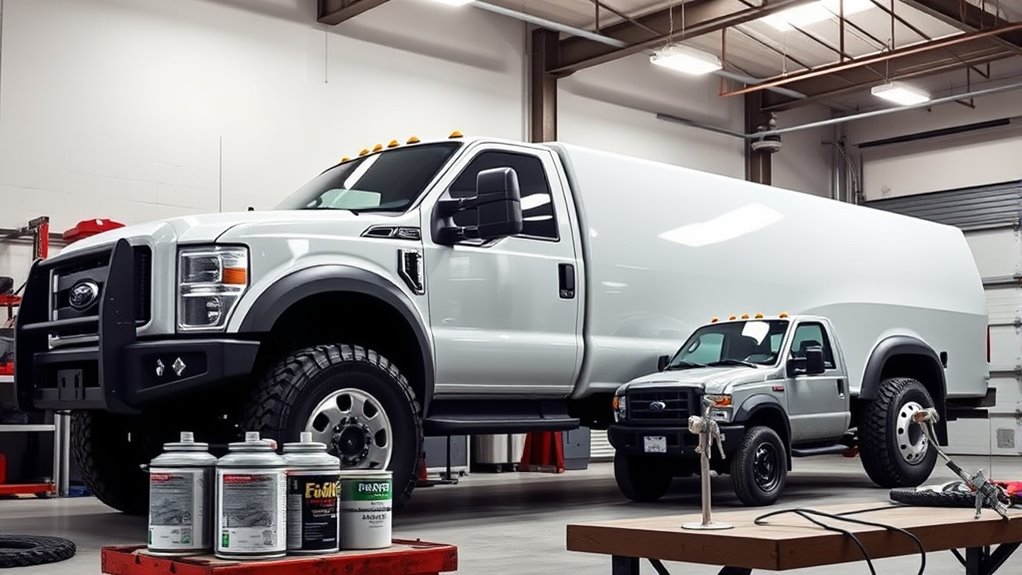
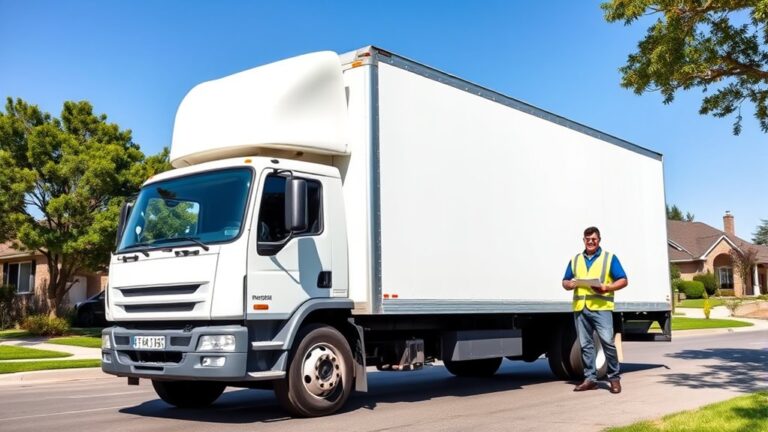
Because bigger trucks have more surface area, you’ll need considerably more paint and labor to get the job done. Larger trucks demand increased material costs since the paint volume rises with the size of the surface. This directly impacts your painting expenses, as more paint and supplies are necessary.
Additionally, labor costs climb because prep work on a larger surface takes longer. The time spent on sanding, masking, and priming really adds up.
You’ll also find that the size of the truck affects the equipment and workspace needed. Bigger trucks require larger booths and specialized tools, which can increase shop fees.
If you’re opting for custom finishes or detailed designs, expect the price to rise further. The scale of these elements on larger trucks means more time and precision are necessary.
How Rust, Dents, and Surface Damage Increase Your Paint Bill
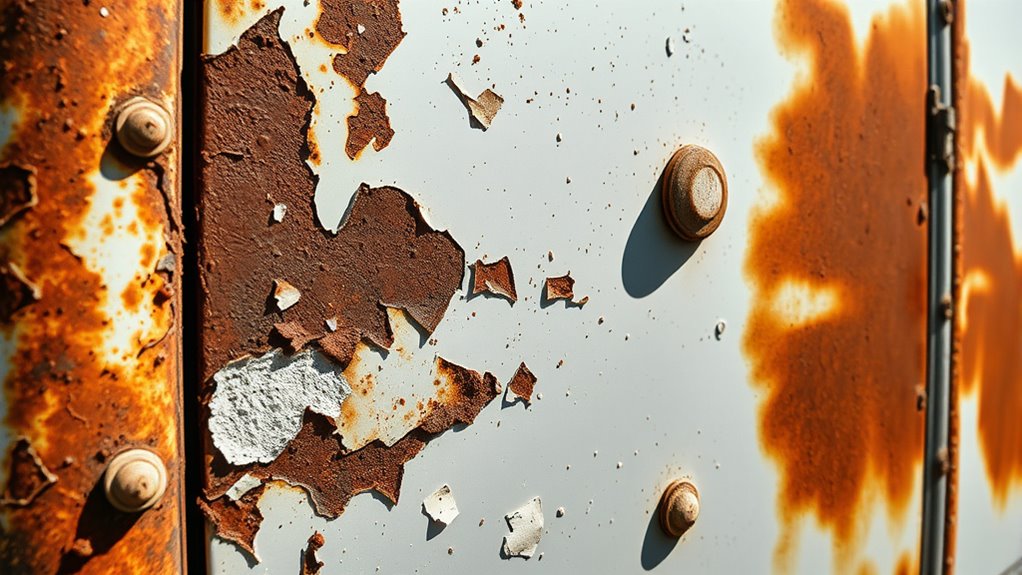
Larger trucks demand more paint and labor, but surface condition plays a big role in your final cost too. If your truck has rust, dents, or other surface damage, expect higher repair costs before repainting.
Rust and corrosion often require sanding and even panel replacement. Meanwhile, dents need bodywork to ensure smooth surface preparation. These repairs add labor and materials, pushing your bill up.
| Issue | Typical Repair Action | Estimated Cost |
|---|---|---|
| Rust | Sanding & panel replacement | $150 – $500+ |
| Dents | Bodywork & filling | $50 – $300 |
| Surface Damage | Sanding & repainting | Varies |
| Corrosion | Panel removal/replacement | $200+ |
| Paint Adhesion | Surface preparation | Included in labor |
Properly addressing damage prevents future problems but increases upfront painting costs. Don’t skip repairs if you want a long-lasting finish. It’s worth the extra effort to keep your truck looking great for years.
What Custom Designs and Extra Services Mean for Truck Painting Costs
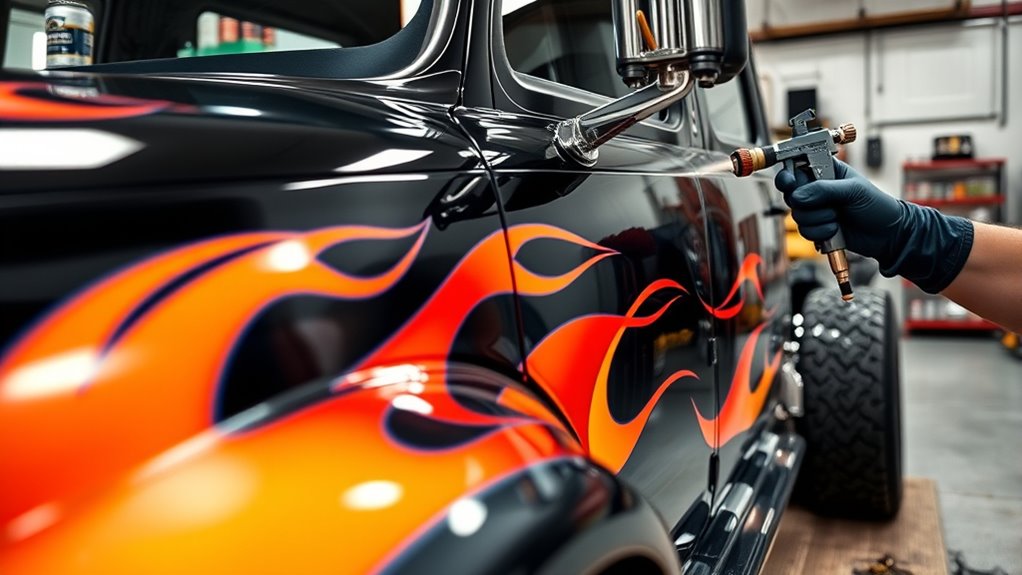
If you want your truck to stand out, custom designs and extra services will notably increase your painting costs. Custom designs like flames, airbrushing, or graphics can add $1,000 to $5,000 depending on complexity.
Specialty finishes such as metallic coatings, pearlescent, or matte options typically raise paint costs by 20-50% compared to standard jobs. Extra services like protective coatings, clear coats, or custom pinstriping add another $500 to $2,500.
Incorporating multi-tone schemes or unique colors requires more labor and multiple coats, pushing labor costs up by as much as 30%. Specialty decals or custom logos also increase expenses by several hundred dollars each due to detailed work.
All these factors combine to profoundly impact your final bill, so plan your budget accordingly if you want a truly personalized look that combines style and durability.
Frequently Asked Questions
What Are the Main Factors That Determine the Cost of Paint?
The main factors determining paint cost include the paint quality you choose, the truck’s size and condition, and how much prep work is needed.
The complexity of the design also plays a big role. Plus, don’t forget about the labor rates in your area—they can really affect the final price.
How Much Should It Cost to Paint a Truck?
Painting your truck should cost you between $8,000 and $12,000, depending on size and finish.
Don’t forget, extra prep or premium paint can tip the scales, so budget wisely to avoid surprises.
What Are the Factors That Affect the Price of a Car Paint Job?
You’ll find that the price depends on your vehicle’s size, condition, paint quality, and any custom features you want.
Plus, the shop’s location and reputation, along with prep work like sanding or rust removal, affect costs.
Why Is Maaco Paint Job Cheap?
Maaco’s paint job is cheap because they use streamlined processes, basic paint with synthetic enamel, and less expensive materials.
You’ll save money by accepting limited customization and quick turnaround times that reduce labor costs.
It’s a trade-off, but if you’re looking for an affordable way to freshen up your car’s look, Maaco makes it happen without breaking the bank.
Conclusion
When you paint your truck, think of it as giving your vehicle a fresh coat of confidence. Bigger trucks are like canvases demanding more paint, while rust and dents are cracks that need careful mending.
Custom designs add the sparkle, turning your truck into a moving masterpiece. Understanding these factors helps you steer your budget wisely.
Knowing how much it does cost to paint a truck depends on size, condition, and design. These key factors affect the total price and the quality of the finish. By considering truck size, repairing rust or dents, and deciding on custom artwork, you can plan your expenses better. This way, your truck not only looks great but also reflects your style without breaking the bank. So, when thinking about painting your truck, keep these elements in mind to make smart choices that fit your budget and bring your vision to life.



One Comment