10 Facts About How Much the Average Truck Driver Does Make
You can expect to make around $95,000 a year as a truck driver in 2025, though starting pay is closer to $37,000–$45,000.
Experience, certifications like HAZMAT, and job type can boost your earnings well above $70,000.
If you own your rig, gross income might top $200,000, but expenses cut into that.
Salaries vary by region—with places like Washington, D.C., and Alaska paying more.
Keep going to uncover how location and skills impact your pay.
Key Takeaways
- The average truck driver salary in 2025 is estimated at $95,169, with a wide range from about $44,963 to over $200,000. So, there’s quite a bit of variation depending on experience and location.
- Entry-level truck drivers earn between $37,000 and $45,000. As you gain experience and get endorsements, your pay can increase by more than 30%.
- Specialized drivers, like those with HAZMAT certifications, can make 15–35% more. Sometimes, they even earn over $99,000 a year.
- Owner-operators gross between $100,000 and $200,000, but after expenses, they usually take home about 60–70% of that. On the other hand, company drivers typically earn from $52,000 to $68,000.
- Truck driver wages tend to be higher in metropolitan, coastal, and shortage areas like Alaska and New Jersey. In these places, it’s common to see salaries exceeding $60,000 yearly.
Average Truck Driver Salary in the U.S. for 2025

Although truck driver salaries vary widely, you can expect the average annual pay in the U.S. for 2025 to be around $95,169. This means as an average truck driver, your salary will likely fall near this figure, though it’s important to know there’s a broad range.
Truck driver salaries vary greatly, but the average U.S. pay in 2025 is estimated at $95,169 annually.
In the U.S., driver pay can start as low as about $44,963 and climb well above $200,000, depending on the specific job and your role. For example, owner-operators and team drivers often earn markedly more, sometimes exceeding $300,000 annually.
Meanwhile, the median salary sits around $57,440, which reflects many drivers’ earnings across the country. You’ll also find that wages tend to be higher in major metropolitan areas and busy regions with increased demand.
Understanding the average truck driver salary in 2025 across the U.S. gives you a solid baseline to gauge what you might expect in this field. So, if you’re thinking about a career in trucking, this info can really help set your expectations.
How Experience Levels Affect Truck Driver Pay

Understanding the average salary for truck drivers is just the starting point—your experience plays a big role in how much you can earn. When you’re just starting out, expect a salary between $37,000 and $45,000.
But as you gain experience, your earnings can jump by 30% or more. Drivers with several years under their belt often make over $70,000 annually, especially if you’re handling long-haul routes.
Getting specific endorsements, like HAZMAT or tanker certifications, also boosts your salary. These endorsements show you have the skills needed for specialized and higher-risk jobs, which companies pay extra for.
So, the more experience and endorsements you have, the better your pay prospects. If you plan to stick with it, investing in your skills and experience can push you into the top salary brackets, often surpassing $75,000 a year.
Your experience truly shapes your earning potential in trucking.
Truck Driver Salaries by Job Type
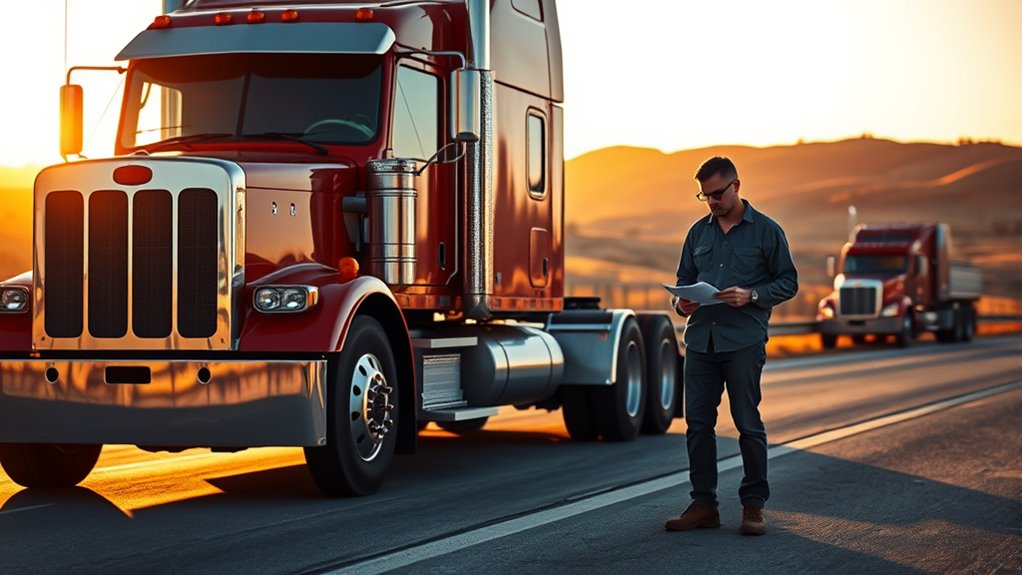
When you choose your truck driving job type, your salary can vary greatly. Truck driver salaries depend heavily on the kind of routes and cargo you handle.
For instance, long-haul drivers typically earn between $55,000 and $70,000 annually. Plus, premiums for extended routes can push the upper range even higher.
If you prefer staying local, entry-level local delivery drivers make around $45,000 to $58,000 per year. This reflects shorter distances but frequent stops, so it’s a different pace.
Hauling specialized cargo like hazmat or tanker loads usually means you can expect to earn 15-35% more than standard drivers. On average, that’s about $62,000 to $85,000.
Company drivers generally fall between $52,000 and $68,000 annually. Meanwhile, major carriers may start you near $70,000 to $75,000.
Earnings of Specialized vs. Standard Truck Drivers
You’ll notice specialized truck drivers often earn 15–35% more than standard drivers due to certifications and higher risks.
While standard drivers make between $37,000 and $70,000 annually, specialized operators can see salaries from $62,000 up to $85,000 or more.
Understanding these differences helps you see why certain roles come with premium pay.
Specialized Driver Premiums
Because specialized truck driving demands extra skills and certifications, you can expect to earn considerably more than standard drivers. Hazmat drivers, for example, get premium pay due to additional endorsements and the increased risk of hauling hazardous materials.
If you handle oversized or sensitive equipment on specialized routes, your earnings can rise even higher. Over-the-road (OTR) drivers in these roles benefit from elevated per-mile rates and bonuses, reflecting the complexity and safety considerations involved.
In fact, specialized drivers often make 15–35% more annually, with incomes ranging from $62,000 to nearly $99,000. So, if you’re willing to pursue extra training and certifications, the premium pay for specialized truck driving can substantially boost your salary compared to standard routes.
Standard Driver Earnings
Although specialized truck drivers earn higher pay due to extra skills and certifications, standard truck drivers typically make between $37,000 and $58,000 annually, depending on experience and route type.
If you’re considering a career as a truck driver, understanding standard driver earnings is essential. Most standard truck drivers working local or regional routes fall within this average annual range, while long-haul or cross-border routes often offer better pay.
While you might not reach the higher earning potential specialized drivers enjoy, there’s still solid room to grow with experience and route selection. Keep in mind, the potential to earn more increases as you gain skills, take on longer routes, or move into specialized roles.
For many, standard driver earnings provide a steady and reliable income foundation.
Owner-Operators vs. Company Drivers: Who Makes More?
When comparing owner-operators and company drivers, you’ll notice owner-operators often gross more but face higher expenses that cut into their take-home pay.
Company drivers typically earn less but enjoy steady paychecks, benefits, and fewer out-of-pocket costs.
Understanding these trade-offs helps you weigh who really makes more overall.
Income Comparison Overview
Wondering who makes more between owner-operators and company drivers? On average, company drivers earn a stable salary ranging from $52,000 to $68,000 annually, often with benefits like health insurance and retirement plans.
Owner-operators, however, typically gross between $100,000 and $200,000 yearly, but their net income decreases due to significant expenses. In some high-paying niche markets, owner-operators can make as much as $318,534 a year, far surpassing company drivers’ average salary.
While owner-operators have higher earning potential, their income varies widely based on workload and costs, making it less predictable. Company drivers enjoy steadier paychecks, but owner-operators take on greater financial risks and responsibilities.
Ultimately, who makes more depends on your appetite for risk and managing operational expenses. It’s really about what kind of balance you want between stability and potential reward.
Expense Impact Analysis
Since owner-operators handle all their own expenses, their higher gross income doesn’t always translate to greater take-home pay. You might see owner-operators grossing between $100,000 and $200,000 annually. But once you deduct operational expenses like fuel costs, maintenance, insurance, and equipment, their net income drops to about 60-70% of that revenue.
On the other hand, company drivers earn a steadier $52,000 to $68,000 per year, with fewer expenses eating into their pay. When you factor in these operational costs, owner-operators’ net income can sometimes be lower than company drivers’, despite the higher gross revenue.
Managing expenses efficiently is vital. Without careful freight management and route planning, your profits as an owner-operator could take a significant hit.
Benefits And Compensation
Although owner-operators can gross considerably more than company drivers, you need to take into account how expenses and benefits affect your actual take-home pay. As an owner-operator, your annual wage might range from $100,000 to $200,000, but after covering fuel, maintenance, and insurance, your net earnings often drop to 60-70%.
On the other hand, company drivers earn a steadier annual wage between $52,000 and $68,000, typically with benefits like health insurance and retirement plans. These benefits add value beyond base pay, providing financial security you might not get as an owner-operator.
How Route Type and Distance Affect Truck Driver Pay
When you choose a long-haul route, you’ll typically earn more because these jobs cover greater distances and longer hours. Long-haul truck drivers often make between $55,000 and $70,000 annually, reflecting the demanding nature of their routes.
In contrast, local drivers usually earn less, around $45,000 to $58,000 per year, since their routes are shorter and schedules more predictable. The type of route you take directly affects your pay, with longer routes offering higher per-mile rates and bonuses to compensate for time away from home.
If you handle specialized routes, like hazardous materials or oversized loads, you can expect 15–35% more pay because of the added risks and complexities. Cross-border or international routes also come with extra compensation due to extended travel times and regulatory challenges.
Highest Paying States and Cities for Truck Drivers
You can earn the most as a truck driver in states like Alaska, New Jersey, and Washington, where salaries top $60,000 annually.
Cities such as Washington, D.C., Phoenix, and Dallas offer some of the highest paychecks, sometimes exceeding $100,000 a year.
Knowing these top-paying locations can really help you zero in on the best opportunities for your career. It’s all about working smarter and aiming for where the pay is best.
Top States By Salary
Since truck driver salaries vary widely across the country, knowing which states and cities pay the most can help you target the best opportunities. Alaska stands out as one of the top-paying states, offering an average truck driver salary of about $65,870 annually, well above the industry average.
New Jersey and Washington, D.C., also rank high, with wages exceeding $63,000. Your employment and wage prospects improve markedly in these locations compared to others.
States like Texas and Illinois offer competitive salaries too, averaging $54,550 and $58,320 respectively. Focusing on these top-paying states can boost your earning potential and help you make informed decisions about where to work in the trucking industry.
Best Cities For Drivers
Salary differences across states can guide your choices, but narrowing down to specific cities reveals even greater earning opportunities for truck drivers. Cities like Washington, D.C., Phoenix, Dallas, and Charlotte rank among the best cities for truck drivers, offering average salaries well above $99,000.
These high wages reflect strong regional demand and the cost of living in these areas. As a driver, targeting these locations can maximize your earnings, especially in owner-operator or specialty roles where salaries often exceed six figures.
| City | Average Salary |
|---|---|
| Washington, D.C. | $118,383 |
| Phoenix, AZ | $99,500 |
| Dallas, TX | $100,200 |
| Charlotte, NC | $99,300 |
Choosing cities with robust demand guarantees you tap into the best pay available. So, if you’re looking to boost your income, these cities should definitely be on your radar.
Key Certifications That Boost Truck Driver Salaries
Although getting certified requires time and effort, key endorsements can substantially boost your truck driving income. For example, obtaining a hazardous materials endorsement can raise your salary by 15–35% due to the higher risk and specialized cargo involved.
Your Commercial Driver’s License (CDL) Class A is essential for most long-haul and heavy-duty jobs, directly impacting your earning potential. Beyond that, specialized certifications like tanker endorsements or doubles/triples can add up to $10,000 or more annually.
You can also pursue endorsements for oversized loads, which typically require extra training but offer higher pay rates. Employers value drivers with advanced safety and cargo handling qualifications, often preferring them and paying accordingly.
How Regional Demand and Costs Impact Truck Driver Salaries
When you look at truck driver wages across the country, you’ll notice that regional demand plays a huge role in what you can earn. Areas like Alaska, New Jersey, and Washington, D.C., face truck driver shortages, which pushes salaries higher there.
Besides demand, the costs of living also impact your salary—if you drive in metropolitan or coastal regions, expect wages 10–50% above those in rural areas. For example, California and Illinois offer average salaries around $58,270 and $58,320, reflecting strong regional market conditions and freight volumes.
These factors combine to shape your earning potential considerably. So, if you choose to work in high-demand states with elevated living costs, you’ll likely see better wages.
Understanding how regional demand and costs of living influence truck driver salaries helps you make informed decisions about where to work to maximize your income.
Managing Expenses to Boost Take-Home Pay
Since your earnings depend not just on what you make but also on what you keep, managing expenses effectively is essential for boosting your take-home pay. One of the biggest expenses you face is fuel costs, so using fuel cards and optimizing routes with telematics can considerably reduce what you spend at the pump.
Staying on top of regular maintenance and timely repairs prevents costly breakdowns. This keeps your truck running efficiently and protects your net income.
Don’t overlook negotiating better freight rates to improve your profit margins. It might take a little effort, but it can pay off big time.
Keeping detailed records of all expenses helps you identify unnecessary costs and maximize tax deductions. Also, controlling expenses related to insurance, permits, and supplies can help you avoid surprises that eat into your earnings.
Frequently Asked Questions
What Does an Average Truck Driver Make per Year?
You’ll make around $56,000 per year on average as a truck driver, but with experience or specialized routes, you could earn considerably more.
Sometimes, that means exceeding $95,000 or even over $300,000 in top positions. It really depends on the kind of driving you do and how long you’ve been at it.
Do Truck Drivers Make $100,000 a Year?
You can make $100,000 a year as a truck driver, but it’s not typical. You’ll need experience, specialized routes, or own your rig.
Long hours and high-demand cargo often push earnings into that range. It’s definitely possible, but it usually takes some time to get there.
Can You Make 6 Figures as a Trucker?
You can make six figures as a trucker, just like a knight earning glory in battle. With experience, specialized routes, and owner-operator status, you’ll boost your income through bonuses, premiums, and smart route choices.
It’s all about knowing the right moves and putting in the effort. Once you get the hang of it, the rewards can really stack up.
Can a Truck Driver Make $5000 a Week?
Yes, you can make $5,000 a week as a truck driver, especially if you’re an experienced owner-operator handling high-paying loads or specialized freight. Your earnings depend on your routes, contracts, and how efficiently you manage your work.
It’s definitely possible, but it usually takes some time to build up to that level. Once you’re there, the payoff can be pretty great!
Conclusion
Just like a well-maintained truck keeps rolling smoothly, your truck driving career thrives when you navigate pay factors wisely. Remember Jake, who boosted his income by earning key certifications and choosing high-demand routes—he saw his salary jump 20% in a year.
By understanding experience, location, and job type, you can steer your earnings to the highest gear. Keep your financial engine tuned, and you’ll enjoy the open road—and your paycheck—more than ever.
Knowing how much the average truck driver makes depends on many factors, but with the right moves, you can maximize your income. Whether it’s gaining experience, picking the right routes, or earning special endorsements, these steps make a real difference. So, focus on what drives your pay, and watch your trucking career and earnings thrive together.