10 Factors That Affect How Much a Tow Truck Costs Per Mile
Your tow truck cost per mile depends on several key factors that influence the final price. Things like your vehicle’s size and condition play a big role, as does the type of tow truck and equipment needed for the job.
How far the tow goes also matters a lot when calculating the cost.
Timing can really affect the price too. Night, weekend, and holiday tows usually cost more because of the extra demand and limited availability.
Where you are located and how easy it is for the tow truck to access your vehicle can also add to the fees.
Don’t forget about hook-up charges and any extra services like winching, which might be needed depending on your situation.
The good news? You can save money by comparing quotes from different providers and planning your tow ahead of time.
Keep exploring to find out more about how these factors shape your total towing price.
Key Takeaways
- Vehicle size, weight, and condition affect tow costs because they determine the equipment needed and how much labor is involved. Bigger or heavier vehicles usually cost more to tow.
- The type of tow truck and any specialized equipment required also influence the per-mile rates and overall fees. Some jobs need extra gear, which can add to the price.
- Distance, location, and how easy it is to get to the vehicle all play a role in costs. If you’re in a remote area or somewhere hard to access, expect higher charges.
- The time of day, day of the week, and whether it’s a holiday can add surcharges. Towing during off-hours or holidays often means paying more for labor.
- Additional fees like hook-up, winching, and after-hours services can really increase your total towing expenses. These extra charges add up quickly, so it’s good to keep them in mind.
How Vehicle Size and Weight Affect Tow Truck Costs

Because larger and heavier vehicles demand more powerful tow trucks and specialized equipment, towing costs tend to rise with the size and weight of your vehicle. When your vehicle size increases, you’ll likely need a heavy-duty tow truck instead of a standard light-duty tow.
Larger, heavier vehicles require powerful, specialized tow trucks, causing towing costs to increase with vehicle size and weight.
Heavy-duty tow trucks are built to handle the extra vehicle weight but come with higher tow truck costs due to their specialized capabilities and the added wear on equipment. Conversely, if you have a smaller vehicle, like a compact car, a light-duty tow is usually sufficient, keeping your towing fees lower.
The vehicle weight directly influences the price, with heavier vehicles often facing higher per-mile charges. So, the bigger and heavier your vehicle, the more you should expect to pay for towing services, as it requires more power, effort, and maintenance from the towing company.
Understanding this can help you anticipate and manage your towing expenses better. It’s good to keep this in mind when you’re planning for any towing needs.
Why Distance Matters in Tow Truck Pricing
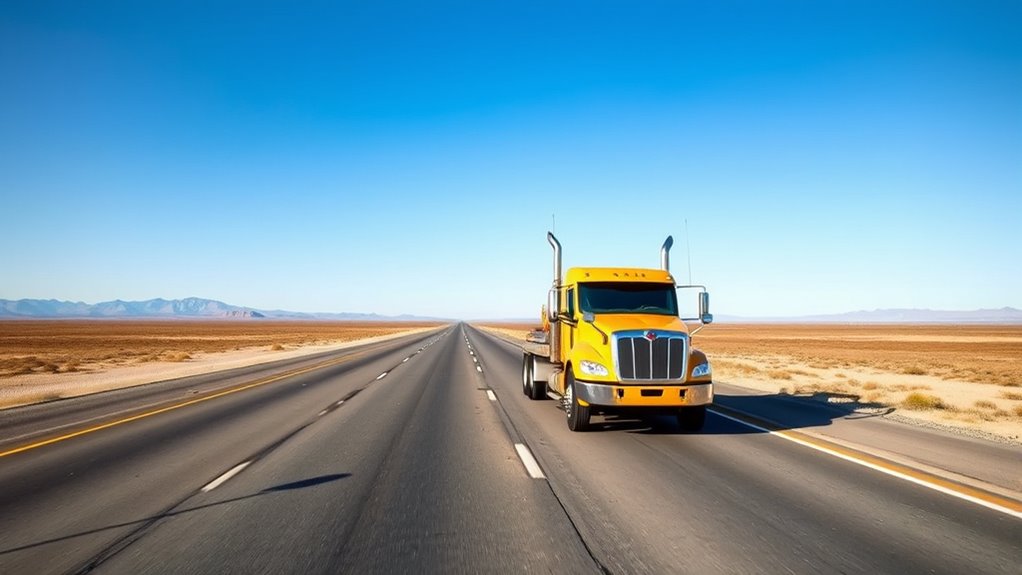
When you call a tow truck, the distance they need to travel directly affects your total cost. Most companies charge a flat fee plus a per-mile rate, which can vary widely depending on the provider.
It’s good to understand how these per-mile charges add up. That way, you can better anticipate the final price.
Distance Impact On Cost
Although the base fee covers the initial miles, the cost per mile usually rises as your tow goes further, reflecting higher fuel and labor expenses. When you’re looking at long-distance towing, the distance you need your vehicle moved plays a big role in the final price.
Tow companies often apply a lower per-mile rate for the first few miles, then increase it as the trip extends. This happens because longer distances require more fuel, driver time, and planning.
Regional pricing also affects your cost; remote or less accessible areas often charge more per mile. So, as your distance increases, expect the total towing cost to climb noticeably, especially when factoring in higher fuel expenses and labor for extended trips.
Per-Mile Charge Variation
The distance your vehicle needs to be towed directly influences how much you’ll pay per mile. Generally, longer distances come with a lower per-mile rate because tow companies often offer bulk pricing or have contractual agreements that reduce costs.
On the other hand, short-distance tows tend to have higher per-mile rates or minimum fees to cover setup and operational costs. Regional variation also plays a big role; areas with higher fuel costs or labor expenses tend to charge more per mile, especially for extended distances.
How Tow Truck Types Affect Per-Mile Towing Costs

You’ll notice that the type of tow truck you choose directly affects your per-mile cost. Specialized equipment like flatbeds and rollback trucks often comes with higher fees due to their handling and safety features.
Understanding how different tow methods impact pricing helps you make smarter decisions when you need towing services. It’s always good to know what you’re getting into before you call for help.
Tow Truck Type Differences
When choosing a tow truck, you’ll notice that different types impact per-mile costs based on their design and purpose. Flatbed tow trucks, for example, often come with higher upfront costs due to specialized equipment but can lower your per-mile rates, especially for long-distance tows.
Wrecker or hook-and-chain trucks usually offer cheaper per-mile rates on short hauls but might increase overall fees for complicated recoveries. Rollback tow trucks fall in between, combining features of flatbeds and wreckers, making them versatile with moderate per-mile rates.
The truck type you pick directly influences your costs because specialized equipment and maintenance requirements vary. So, understanding these differences helps you choose the most cost-effective tow truck for your specific towing needs.
Equipment Impact On Pricing
Different tow truck types directly affect your per-mile towing costs because each comes with unique equipment and operational demands. For example, a flatbed truck usually costs more per mile due to its specialized equipment and higher operational costs linked to safety features and maintenance.
Rollback trucks, which handle larger vehicles, require powerful hydraulics and robust equipment, pushing their fees higher as well. You’ll find that trucks with specialized equipment, like recovery or heavy-duty tow trucks, have increased operational costs because of complex machinery and the skilled labor needed to operate them.
In contrast, simpler trucks might cost less per mile but may not suit all towing needs. Understanding the equipment involved helps you anticipate the per-mile pricing variations tied to different tow truck types.
Tow Method Cost Variation
Although tow truck types vary widely, their differences considerably influence the per-mile towing costs you’ll face. The tow method you choose directly impacts cost variation.
A flatbed tow, known for its safety and specialized equipment, usually costs between $3 and $7 per mile. This reflects higher maintenance and operation expenses.
In contrast, hook-and-chain tow trucks offer lower rates, around $2.50 to $5 per mile. But they risk damaging delicate vehicles, making them less ideal for certain situations.
Recovery trucks, designed for complex recoveries and off-road towing, often exceed $8 per mile due to the difficulty involved.
Understanding these distinctions helps you weigh your options effectively. That way, you can select a tow method that fits both your budget and your vehicle’s needs.
How Tow Truck Equipment Needs Impact Pricing
Since the type and quality of tow truck equipment affect both safety and efficiency, they play a crucial role in determining your towing costs. Using heavier-duty or specialized equipment increases operational costs, which you’ll notice in higher per-mile charges.
For example, if your vehicle requires advanced flatbeds or recovery tools, the initial investment in this equipment is reflected in towing rates. Proper maintenance and regular upgrades also impact pricing by ensuring safety and reducing breakdown risks.
Here’s a quick comparison of how different equipment types influence costs:
| Equipment Type | Impact on Safety | Effect on Towing Costs |
|---|---|---|
| Standard Winch & Straps | Moderate | Lower |
| Heavy-Duty Equipment | High | Higher |
| Specialized Equipment | Very High | Highest |
When you need specialized equipment for challenging recoveries, expect increased towing costs due to the added complexity and operational demands. It’s just the nature of the job—more complex gear means more expenses.
How Time of Day and Day of Week Influence Tow Rates
You’ll usually pay more for a tow at night or on weekends because companies charge extra to cover higher labor and safety costs. Holidays and after-hours calls can push rates even higher, often starting around $500.
Planning your tow during regular business hours can help you avoid these added fees. It’s a simple way to save some money and avoid surprises.
Nighttime And Weekend Fees
When you call for a tow during nighttime or on weekends, expect to pay more due to higher labor and safety challenges. Tow companies often add a night surcharge that can tack on $50 to $100, reflecting the added risk and difficulty of after-hours towing.
Weekend fees also inflate costs, sometimes by 25% to 50% above regular hourly rates. Emergency roadside calls, especially late at night, usually come with minimum charges of $300 to $500 because of the immediate response required.
It’s frustrating to feel stranded in the dark, knowing costs will climb. And the urgency of emergency roadside service at odd hours only adds to the stress.
Plus, there’s always the surprise of weekend fees when you least expect it. That night surcharge can add up quickly, making the whole situation even tougher.
Understanding these fees helps you prepare financially for towing at inconvenient times. So, you’re not caught off guard when you really need help.
Holiday And After-Hours Charges
Although towing services operate around the clock, holiday and after-hours calls usually cost more because demand spikes and availability drops. When you need a tow during these times, expect towing rates to increase considerably.
Many companies apply a surcharge of $50 to $150 for after-hours or holiday services, and emergency towing fees can double or even triple the standard rate. Some providers set a minimum charge—sometimes around $500—for emergency tows during late nights or holidays.
These holiday charges reflect the extra effort and limited resources required to respond promptly. So, when you call for a tow in off-hours or on holidays, be prepared for these higher costs due to the time-sensitive nature of after-hours and emergency towing services.
How Location and Accessibility Affect Tow Costs
Because tow trucks often travel long distances to reach remote or rural areas, you can expect higher costs due to increased travel time and fewer nearby service providers. Your location plays a big role in the final price, as urban areas might charge more due to traffic and parking challenges.
Accessibility also matters—if your vehicle is stuck in a tight spot or off-road, specialized equipment is needed, which drives up costs. Poor road conditions or limited infrastructure in some locations can add extra fees because of the difficulty involved.
When considering tow costs, remember:
- Remote areas often mean longer wait times and higher fees
- Urban locations can increase costs due to congestion and restrictions
- Hard-to-access spots require specialized equipment, adding to the bill
- Regional labor and operating costs affect rates based on where you are
Knowing how location and accessibility affect costs helps you prepare for what to expect when you need a tow.
What Hook-Up Fees Mean for Your Tow Bill
Understanding hook-up fees can help you avoid surprises on your tow bill. These flat charges cover the initial process of attaching your vehicle to the tow truck before any mileage is added.
Knowing hook-up fees upfront helps prevent unexpected charges on your towing bill.
The hook-up fee is a fixed cost that pays for the initial service regardless of how far your vehicle needs to be towed. These flat charges typically range from $150 to $500, depending on how complex the hookup is and the type of vehicle involved.
Because the hook-up fee is a set amount, it often represents a significant portion of the total towing cost, especially for shorter distances. So, when you’re budgeting for a tow, knowing about this fee helps clarify the minimum charges you’ll face. That way, you won’t be caught off guard.
Keep in mind that the hook-up fee is separate from mileage fees. It guarantees that the tow truck driver covers the work needed to safely attach your vehicle before driving it to its destination.
How Additional Services Like Winching Add to Costs
Beyond hook-up fees, additional services like winching can considerably increase your tow bill. Winching usually adds $50 to $150 or more, depending on how complex the recovery is and where you are.
When the situation involves complex recoveries, tow operators need specialized equipment and extra labor time, which drives up the price. In tough spots like mud or steep slopes, winching fees climb higher due to the added risk and effort.
Sometimes, winching charges come as an hourly rate, ranging from $75 to $200 per hour, on top of the standard tow cost.
Here’s why winching ramps up your costs:
- Complex recoveries require specialized equipment, pushing expenses up
- Extra labor time means you pay more for the service
- Difficult terrain increases the risk, leading to higher fees
- Additional safety gear used adds to the overall charges
Knowing this helps you avoid surprises when winching services are needed.
How Vehicle Condition Impacts Towing Prices
When your vehicle is in poor condition or heavily damaged, towing companies often need specialized equipment and extra labor to handle it safely, which drives up the cost. The vehicle condition directly affects towing costs because damaged vehicles may require flatbed trucks or recovery services instead of standard tows.
If your vehicle is stuck, immobile, or lying on its side, recovery services come into play, typically charging more due to the complexity and safety measures involved. Broken or missing parts make hooking up your vehicle more challenging, increasing labor time and expenses.
Flat tires or other impairments also demand careful handling with specialized equipment, pushing the price higher. So, when your vehicle’s condition worsens, expect towing costs to rise accordingly, as companies invest more resources to ensure a secure and damage-free tow.
Understanding this can help you anticipate expenses based on your vehicle’s specific needs. It’s always good to know what might affect the price before you call for help.
Tips to Lower Your Tow Truck Costs
Although towing expenses can add up quickly, you can take several steps to keep costs down. Being proactive with these towing tips can make a big difference in managing your towing costs.
First, compare quotes from different companies to find affordable per-mile rates. Also, maintain your vehicle regularly to reduce the chances of breakdowns and expensive tows.
Don’t forget to explore roadside assistance plans through your insurance or memberships—they often cover or lower towing costs. Finally, try to schedule your tow during off-peak hours or non-holiday periods to avoid extra fees.
- Shop around to find the best per-mile rates for affordable towing
- Keep your vehicle in top shape to prevent emergency tows
- Use roadside assistance plans for cost savings and peace of mind
- Choose timing wisely to dodge peak-hour or holiday surcharges
Frequently Asked Questions
What Factors Influence Towing Costs?
You’ll pay more depending on your vehicle’s size, towing distance, and time of day. Complicated recoveries or hard-to-reach spots increase costs.
Plus, local rates vary, so expect different prices based on where you are. It all depends on the situation and location, really.
What Is the 80 20 Rule for Towing?
Imagine most towing costs hiding in just a few factors—that’s the 80/20 rule.
It means 80% of expenses come from 20% of causes, helping you focus on what really drives your towing bill.
How Much Should a 100 Mile Tow Cost?
You should expect a 100-mile tow to cost between $500 and $1,000.
Keep in mind, additional fees or special circumstances might raise the price, so always confirm rates with the towing company beforehand.
It’s a good idea to ask about any extra charges before you agree. That way, you won’t be surprised later!
How Much Is It to Tow a Car 1000 Miles?
Towing your car 1,000 miles usually costs between $2,500 and $7,000. Prices vary based on distance, vehicle type, and additional fees.
Conclusion
When it comes to tow truck costs, every mile and minute counts like coins in a jar. Knowing how factors like your vehicle’s size, tow type, and timing affect prices can save you a bundle.
Keep an eye out for extra fees and services that sneak up on your bill. By staying informed and planning ahead, you’ll steer clear of surprises and keep towing costs from driving you off the road financially.
Understanding the 10 factors that affect how much a tow truck costs per mile empowers you to make smarter decisions. From distance and vehicle condition to time of day and location, these details all play a role in the final price. So, before you need a tow, knowing what influences tow truck pricing can help you budget and avoid unexpected charges. Being proactive with this knowledge ensures your towing experience is smooth, affordable, and stress-free.