What Does DRL Mean in a Car?
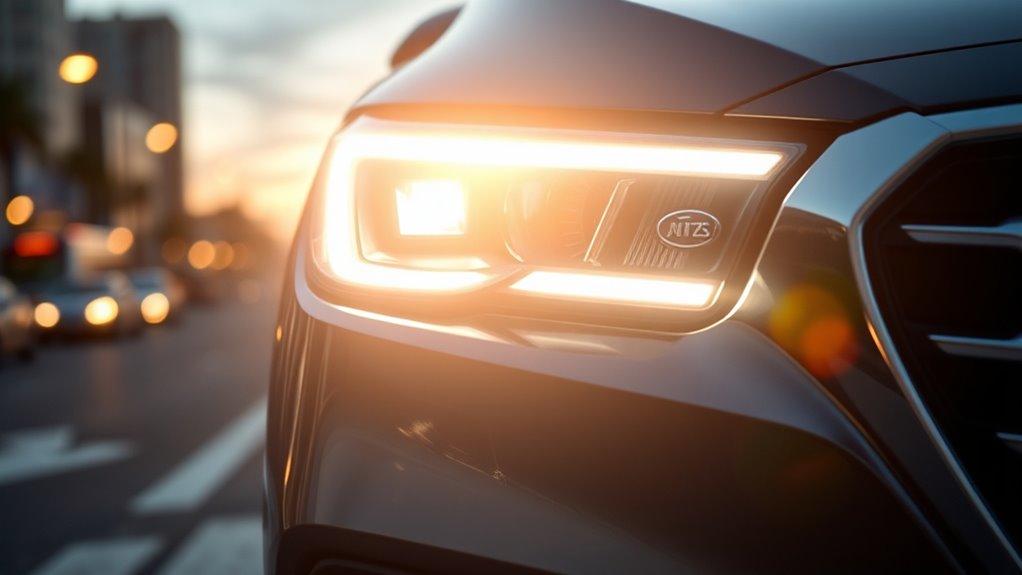
DRL in a car stands for Daytime Running Lights. These lights automatically turn on to make your vehicle more visible during the day. They’re designed to be less bright than your regular headlights but still help improve safety on the road.
By alerting other drivers and pedestrians to your presence, DRLs are especially helpful in low-visibility conditions like fog or rain.
If you notice your DRL warning light comes on, it usually means there’s a fault in the system that might need checking. Keep reading to learn about common causes and how you can fix them.
Key Takeaways
- DRL stands for Daytime Running Lights. These lights are designed to increase your vehicle’s visibility when you’re driving during the day.
- They automatically turn on once your car is moving and there’s enough ambient light outside.
- DRLs aren’t as bright as your regular headlights, but they help other drivers and pedestrians spot your vehicle more easily.
- Most modern cars, including many Honda models, come with DRLs as a safety feature.
- If you see a DRL warning light on your dashboard, it means there’s a problem with the system that needs to be checked out.
What Are Daytime Running Lights And How Do They Work?

Have you ever wondered what those lights on the front of your car do during the day? Those are Daytime Running Lights (DRLs), designed to enhance vehicle visibility while you’re driving. They automatically turn on when your car is in motion during daylight, thanks to an ambient light sensor that detects brightness outside.
Unlike your headlights, DRLs are less intense but still catch the attention of other drivers and pedestrians. This helps reduce the risk of accidents in low-visibility conditions like fog or rain.
Most modern vehicles, including many Honda models, feature this automatic activation. So, you don’t have to flip the headlight switch manually. However, some allow you to control or disable the DRLs if you prefer.
Why Is The DRL Warning Light On? Common Causes And Fixes
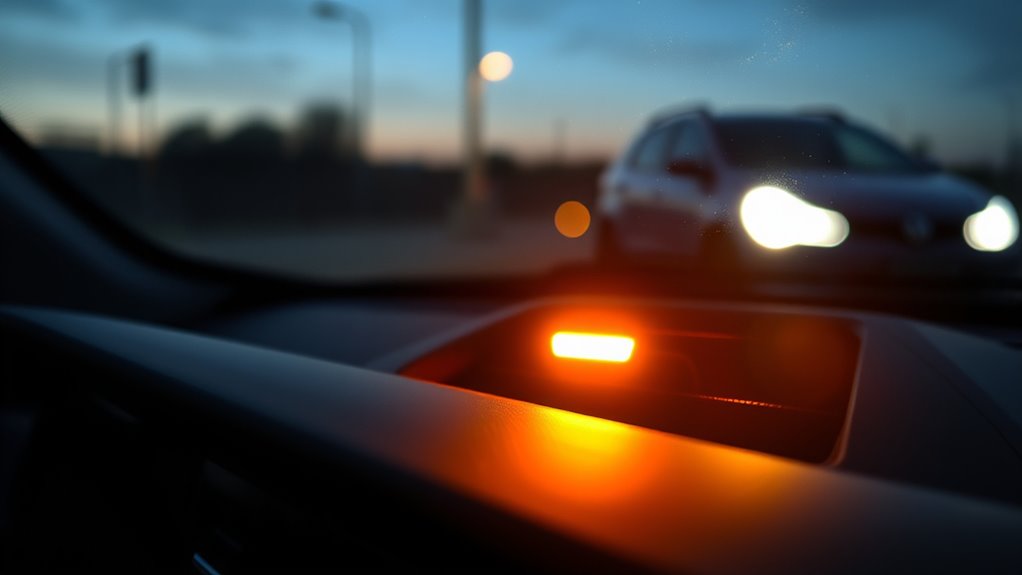
While Daytime Running Lights boost your car’s visibility, the DRL warning light on your dashboard signals that something isn’t quite right with the system. This warning light usually comes on when the vehicle detects a malfunction, such as a blown fuse, faulty sensor, or damaged wiring.
If the DRL warning light stays illuminated, it often points to issues like burnt-out bulbs, relay failure, or electrical disruptions within the DRL circuit.
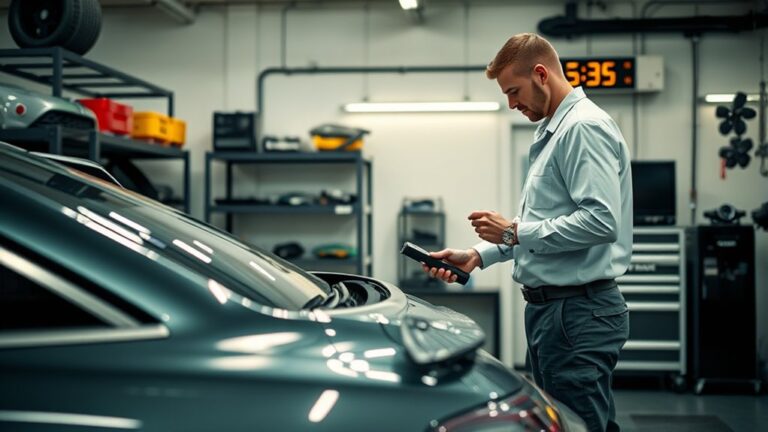
To fix this, start with a thorough diagnosis by checking fuses and inspecting wiring connections for damage. Using an OBD scanner can help retrieve error codes for a more accurate diagnosis.
Common repairs include replacing defective bulbs, fixing wiring problems, or swapping out malfunctioning sensors. If you’re unsure, it’s best to seek professional diagnosis to ensure the DRL system works safely and reliably, keeping your car visible and compliant with safety standards.
Frequently Asked Questions
What Causes the DRL Light to Come On?
The DRL light comes on when your daytime running lights have burnt-out bulbs, wiring issues, blown fuses, faulty relays, malfunctioning sensors, or electrical problems.
You should check these components to fix the warning light. It’s a good idea to start with the bulbs and fuses because they’re the easiest to inspect. If those seem fine, then move on to the wiring and relays.
Can I Drive With the DRL Light On?
You can drive with the DRL light on, but don’t ignore it. It signals a problem that could reduce your visibility to others.
Should DRL Be on or Off?
You should keep your DRLs on because they make your car more visible during the day, reducing accident risk.
Turning them off might save battery but compromises safety, especially in low-light or bad weather conditions.
How Much Does DRL Cost?
You might expect DRLs to be pricey, but replacing a bulb usually costs $20 to $50. Full system repairs range from $50 to $200.
Upgrading can push you to $300, depending on parts and labor. So, it really varies based on what you need done.
Conclusion
Think of DRLs as your car’s way of waving hello to others on the road, a bright handshake that says, “I’m here and safe.” When those daytime running lights are on, they help other drivers see you better, especially during the day.
When that DRL warning light flickers, it’s like a gentle nudge reminding you to check in and keep your safety signal shining. Don’t ignore it! It’s important to get it checked so your lights keep working properly.
By understanding and fixing DRL issues, you guarantee your car’s friendly glow never fades. Daytime running lights are more than just a feature—they’re a key part of your vehicle’s safety system. Keeping your DRLs functioning means you’re guiding yourself and others safely through every journey, like a beacon in the dark.




One Comment