
3 Mileage Benchmarks That Define a Good Used Car
When you’re shopping for a used car, good mileage usually falls into three benchmarks: under 10,000 miles per year for low wear, 12,000 to 15,000 miles per year as average, and over 100,000 miles when the car is well-maintained. These mileage benchmarks help you gauge how much wear and tear a vehicle might have.
But remember, mileage alone doesn’t tell the whole story. You’ll also want to check the maintenance history and overall condition of the car.
Cars with solid upkeep can last well beyond high mileage, so understanding these factors will help you make a smarter choice.
Don’t just focus on the numbers—dig a little deeper to find a reliable ride that fits your needs.
Key Takeaways
- A good used car typically has 12,000 to 15,000 miles per year, reflecting moderate and expected wear. This range shows the car has been used but not overdone.
- A 5-year-old vehicle with 60,000 to 75,000 miles generally indicates solid mileage and balanced usage. It’s a sweet spot for many buyers looking for reliability without too much wear.
- Low mileage under 10,000 miles per year suggests less wear but isn’t always a guarantee of better condition. Sometimes, cars with low miles might have other issues from sitting idle.
- High mileage over 100,000 miles can be acceptable if the vehicle has consistent maintenance and service records. So, don’t rule out a high-mileage car if it’s been well cared for.
- Always consider maintenance history and overall condition alongside mileage to assess a used car’s reliability. Mileage is just one piece of the puzzle when making your decision.
What Counts As Good Mileage on a Used Car?

While the definition of good mileage can vary, you’ll generally find that 12,000 to 15,000 miles per year is a solid benchmark for a used car. For example, a 5-year-old vehicle with used car mileage between 60,000 and 75,000 miles typically reflects good mileage.
This annual mileage suggests moderate wear and tear, balancing usage and longevity. Low mileage, often under 10,000 miles per year, usually means less wear, but it’s not always the whole story.
High mileage cars can still be a reliable used car if their maintenance history is strong. You should consider vehicle age along with mileage; a well-cared-for older car might outperform a newer one with poor upkeep.
Ultimately, good mileage depends on how the car was driven and maintained, not just the numbers. So, when evaluating mileage, focus on both the annual mileage and maintenance history to find a reliable used car that suits your needs.
How Does Maintenance Change What Mileage Means?
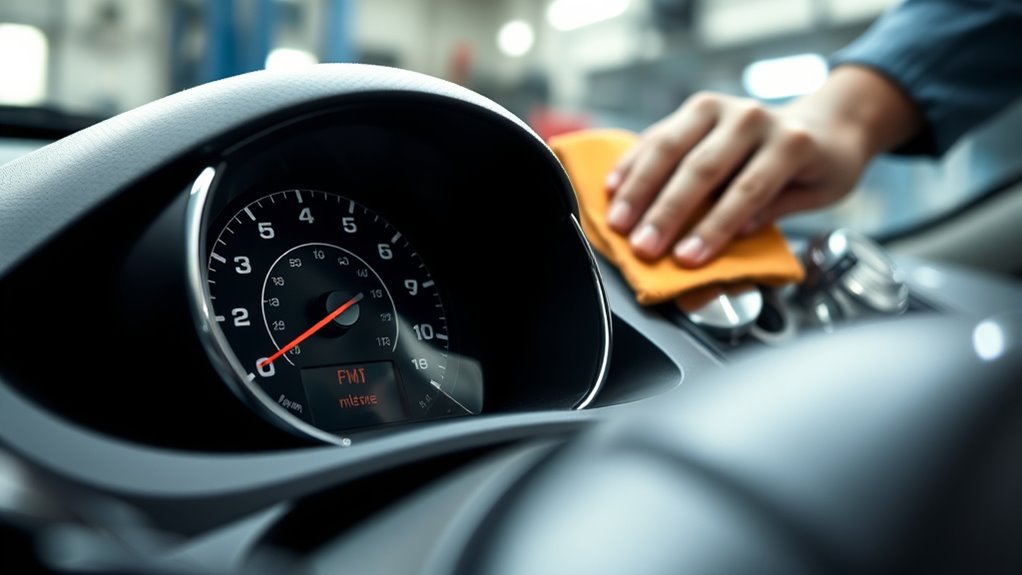
Because proper maintenance keeps a car running smoothly, mileage alone doesn’t tell the whole story. When you’re checking out a used car, a well-maintained vehicle with a detailed service record can actually be in better shape and last longer than one with lower mileage but poor upkeep.
Regular maintenance like oil changes, brake replacements, and timely repairs directly impacts the vehicle’s lifespan by protecting critical parts like the engine and transmission. So, it’s not just about how many miles are on the car, but how those miles were treated.
Routine care like oil changes and timely repairs safeguards key components, extending a car’s lifespan beyond just mileage.
Looking into the vehicle’s history helps you figure out if the high mileage came from careful use or neglect. Consistent service records show ongoing care, which helps reduce the usual wear and tear that mileage can cause.
Basically, maintenance changes what mileage really means by revealing how well the previous owner took care of the car. So, don’t just focus on the miles—make maintenance and service records your priority to get a better sense of the car’s true condition and how long it might last.
When Does Mileage Get Too High to Worry About?

Even if a car’s mileage climbs past 100,000 miles, you shouldn’t automatically worry. High mileage itself isn’t a definitive red flag.
Instead, focus on the maintenance history and overall vehicle condition. Many cars can surpass 200,000 miles reliably with proper maintenance, making mileage less of a concern than you might think.
The age of the vehicle and how those miles were driven—whether it’s average miles or well below the typical 12,000 to 15,000 miles annually—also matters. Mileage affects wear, but well-maintained high-mileage cars often still offer plenty of life.
Especially if proactive repairs have been made. When considering mileage for a used car, look beyond the numbers and assess the service records.
A high-mileage car with a solid history and good condition can be a better buy than a low-mileage vehicle with neglect. So, mileage gets too high to worry about only when maintenance and condition are poor.
Frequently Asked Questions
What’s a Good Mileage to Look for in Used Cars?
You should look for used cars with mileage around 12,000 to 15,000 miles per year. This suggests less wear, which is always a good thing.
But hey, don’t overlook well-maintained higher mileage cars. They can still offer great reliability and value, so it’s worth considering them too.
What Is the $3000 Rule for Cars?
Imagine finding a car with 100,000 miles priced at $12,000—that’s pricey!
The $3000 rule says you shouldn’t pay more than $3,000 per 10,000 miles, so $10,000 is fair here.
Is It a Good Idea to Buy a Used Car With 70,000 Miles?
Yes, buying a used car with 70,000 miles can be smart if you check its maintenance history and overall condition.
You’ll often find reliable vehicles still running strong and offering great value at this mileage.
Just make sure to take your time inspecting the car or get a trusted mechanic to do it for you.
That way, you avoid any surprises down the road and get the best bang for your buck.
What Is Too High Mileage for a Used Car?
Too high mileage for a used car is like a marathon runner hitting the wall—usually over 150,000 miles.
But if you’ve got solid maintenance records, you can still find a reliable ride beyond that mark.
Conclusion
Think of buying a used car like choosing a well-traveled book. The mileage is the story’s chapters—fewer chapters mean a fresher tale, but a well-maintained story can still captivate.
Just like a favorite novel cared for over time, a car with good maintenance shines beyond its miles. Don’t just count pages; feel the story.
So, trust both the mileage and the care behind it to find a ride that’s ready for your next adventure. When looking at mileage benchmarks, remember that a lower number often means less wear, but regular upkeep is just as important.
A good used car isn’t just about the miles on the odometer—it’s about how those miles were treated. Combining mileage with maintenance history helps you spot a reliable vehicle that will serve you well. After all, a well-cared-for car with reasonable mileage is your best bet for quality and peace of mind.





One Comment