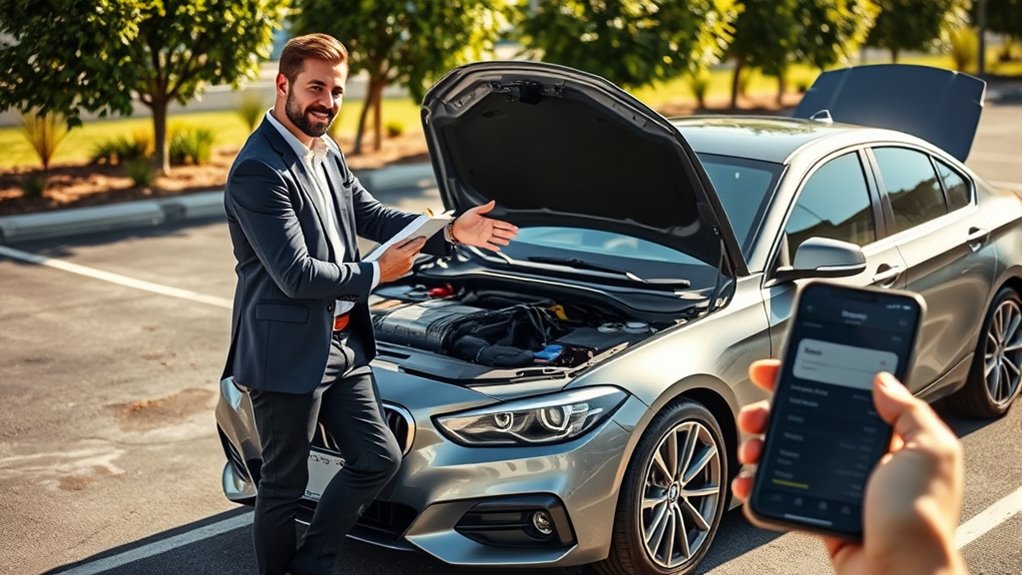
5 Tips to Negotiate Used Car Price
To negotiate a better used car price, start by researching fair market values with tools like Kelley Blue Book. Knowing the car’s worth gives you a solid foundation to work from.
Next, check the vehicle’s history for any issues that might lower its value. Use that info to strengthen your negotiation stance—it really helps to have the facts on your side.
Timing is everything, so try to visit at month-end or during sales events when dealers are more motivated to make a deal. This can give you an edge and possibly a better price.
When making your opening offer, aim about 10-15% below the market value. Stay calm and confident throughout the process—don’t let emotions take over.
Always know your budget and be prepared to walk away if the deal isn’t right. Being willing to leave can sometimes be your strongest negotiating tool.
Explore these tips further to sharpen your negotiating skills and get the best price on your next used car.
Key Takeaways
- Research fair market value using tools like Kelley Blue Book to set a realistic negotiation baseline. This gives you a solid starting point and helps avoid overpaying.
- Obtain and review vehicle history reports to identify issues that justify price reductions. Knowing the car’s past can really strengthen your bargaining position.
- Time your visit during end-of-month or sales events for better dealer flexibility and discounts. Dealers often want to hit targets and might be more willing to negotiate.
- Start offers 10-15% below market value, backing them with solid pricing data for credibility. It shows you’re informed and serious about the deal.
- Stay calm, avoid revealing your maximum budget, and be ready to walk away if terms aren’t favorable. Sometimes walking away is your best negotiating tool!
How to Research a Used Car’s Market Value

Before you negotiate the price of a used car, you need to research its market value thoroughly. Start by using valuation tools like Kelley Blue Book, Edmunds, or NADA Guides to get an accurate fair price based on the vehicle’s make, model, year, and condition.
Next, check recent sale prices of comparable cars in your local area through online marketplaces and dealership listings. This helps you understand current market trends and avoid overpaying.
Don’t forget to examine the vehicle’s total cost by factoring in mileage, age, and overall condition, as these heavily influence value. While you should look at the vehicle history report later for negotiation leverage, at this stage, focus on gathering pricing data.
Leverage Vehicle History to Negotiate Price
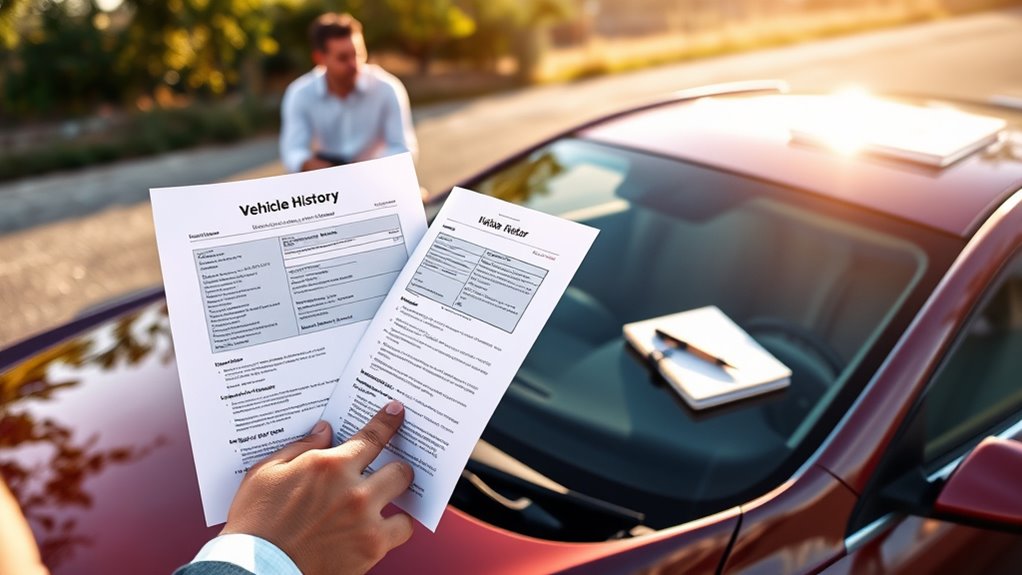
Once you’ve nailed down the market value of a used car, the next step is to examine its vehicle history report. Use trusted sources like Carfax or AutoCheck to spot red flags such as accidents, flood damage, odometer discrepancies, or a salvage title.
These documented issues give you solid reasons to negotiate price and request a price reduction. Confirm details across multiple reports to verify accuracy and strengthen your bargaining position.
For example, a rebuilt or flood-damaged vehicle typically loses 20-40% of its value, so you can confidently ask for a considerably lower price. Use specific findings from the vehicle history report to build a targeted negotiation script.
Don’t forget to pair this information with a thorough inspection to back up your claims. By leveraging the vehicle history report effectively, you turn documented problems into powerful tools that help you negotiate a fairer price.
Choose the Best Time to Negotiate Your Used Car
Although you can negotiate anytime, choosing the right moment can really boost your chances of scoring a better deal on a used car. The best time for negotiation often lines up with dealerships trying to meet sales targets—like the end of the month, quarter, or year.
During these periods, you might find more flexible pricing and special dealership offers. Timing your visit during off-peak hours, especially weekday mornings, also works in your favor since sales staff are less busy and more attentive.
Keep an eye out for cars that have been sitting on the lot for a while. Dealers usually want to move these vehicles and may be willing to offer discounts. Plus, shopping during sales events or promotional periods can lead to extra incentives or price reductions.
Make a Smart Opening Offer and Stay Cool
When you make your opening offer, start about 10-15% below the car’s fair market value to leave room for negotiation. Back up your initial offer with data from trusted pricing guides like Kelley Blue Book or Edmunds. This boosts your credibility and shows you’re an informed buyer.
As you negotiate used car price, stay cool—remain calm and confident throughout the discussion. After stating your opening offer, use silence strategically; it can prompt the seller to respond, often with a counteroffer.
Avoid revealing your maximum budget early on, so you can better gauge the seller’s asking flexibility. Keep your tone respectful and firm to maintain a cooperative atmosphere.
This negotiation strategy helps you set the pace and keeps you in control. By staying calm and confident during this critical stage, you increase your chances of reaching a fair deal without appearing desperate or rushed.
Negotiate the Total Price: and Know When to Walk Away
As you negotiate, focus on the out-the-door price, which includes taxes, fees, and other costs—this gives you a clearer picture of the total amount you’ll pay rather than just the sticker price.
When discussing the total price with the dealership, use your budget as a firm boundary. Know the market value and stick to your maximum. If the dealer won’t meet your target, be ready to walk away.
During price negotiation, leverage vehicle history reports and any inspection results to justify a lower offer. Look for signs of a motivated seller, like a car that’s been on the lot for a while; this gives you more negotiating power.
Some dealerships price cars competitively to move inventory quickly, so your negotiation room may be limited. Remember, you’re in control—don’t feel pressured to accept a deal that exceeds your budget or doesn’t feel right.
Walking away can sometimes be your best leverage to secure a fair total price.
Frequently Asked Questions
What Is the $3000 Rule for Cars?
The $3000 rule means you expect a used car’s value to drop about $3,000 from its original price due to depreciation. It helps you quickly judge if a car’s price is fair compared to its age and condition.
Basically, if the price is around $3,000 less than what it was new, you’re probably looking at a reasonable deal. It’s a quick way to get a sense of whether a car’s price makes sense without digging into too many details.
What Is the 70 30 Rule in Negotiation?
The 70/30 rule means you should start by offering about 70% of the seller’s asking price, leaving 30% room to negotiate.
This way, you avoid overpaying and keep bargaining power on your side. It’s a simple strategy that helps you stay in control during the negotiation.
What Not to Say When Negotiating for a Car?
Don’t say you’ve fallen in love with the car or reveal your max budget. Avoid pressuring for a quick sale, admitting you’re uninformed, or mentioning you’re comparing prices elsewhere.
Stay confident and keep your cards close. It’s all about playing it smart and not giving away too much too soon.
How Do I Negotiate a Lower Price on a Used Car?
Don’t let the price fly over your head—start with a solid, lower offer backed by market data.
Point out flaws, stay calm, and be ready to walk away; that’s how you reel in a better deal.
Conclusion
Negotiating a used car price is like steering a winding road—you need patience, preparation, and confidence. By researching market value, leveraging vehicle history, and picking the right moment, you put yourself in the driver’s seat.
Making a smart offer and knowing when to walk away are key moves in this negotiation game. Stay calm and focused throughout, and you’ll steer the deal in your favor.
Remember, the best price is within your reach if you play it smart and don’t rush. Using these tips to negotiate used car price will help you get a fair deal without stress. So take your time, be prepared, and approach the negotiation with confidence—you’ll drive off happy with the deal you deserve.





3 Comments