Why Is My Car Squeaking When I Drive?
If your car is squeaking when you drive, it can be pretty annoying—and it usually means something needs a little attention. Common causes include worn or loose belts, low power steering fluid, or parts of your suspension like shock absorbers and bushings that are past their prime. These noises can pop up for different reasons, so paying attention to when and where you hear them is key.
Squeaks that happen when you brake? That’s often a sign your brake pads are worn out. If the noise changes with speed or when you turn, your wheel bearings might be the culprit.
Keep an ear out and try to notice exactly when the squeak happens—it’ll help you figure out what’s going on. Stick with it, and you’ll be able to spot and fix these common issues before they turn into bigger problems.
Key Takeaways
- Squeaking during acceleration often indicates a worn or loose serpentine belt. It’s a common issue that’s usually easy to fix.
- Squeaks while turning suggest low power steering fluid or worn suspension components. You might want to check those soon.
- Brake squealing typically means the brake pads are worn and need replacement. Don’t ignore this one!
- Squeaks over bumps or turns can result from worn shock absorbers or bushings. These parts help keep your ride smooth.
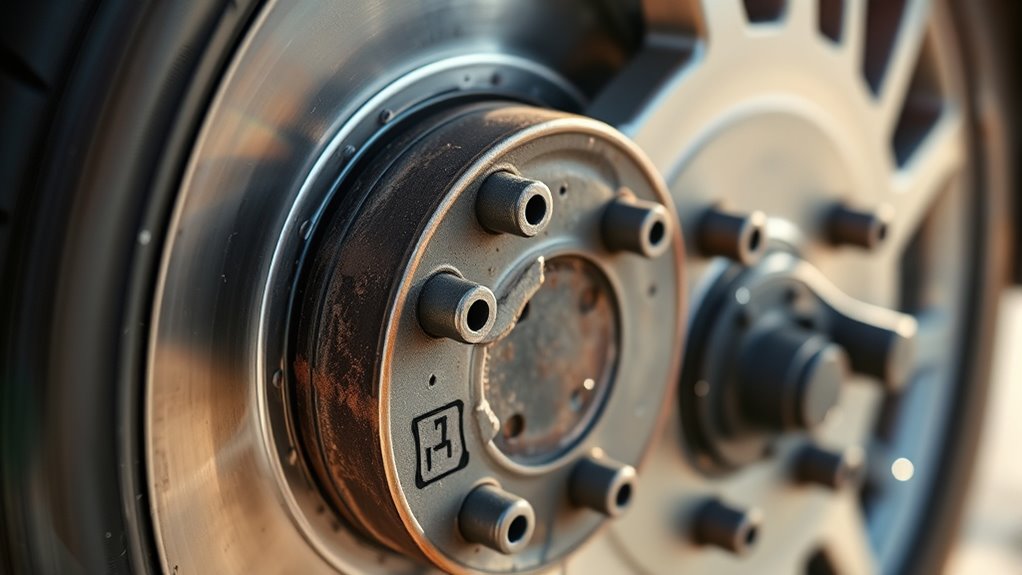
- Grinding or squeaking noises increasing with speed may signal worn wheel bearings. It’s best to get this checked out before it gets worse.
Common Causes of Car Squeaking While Driving
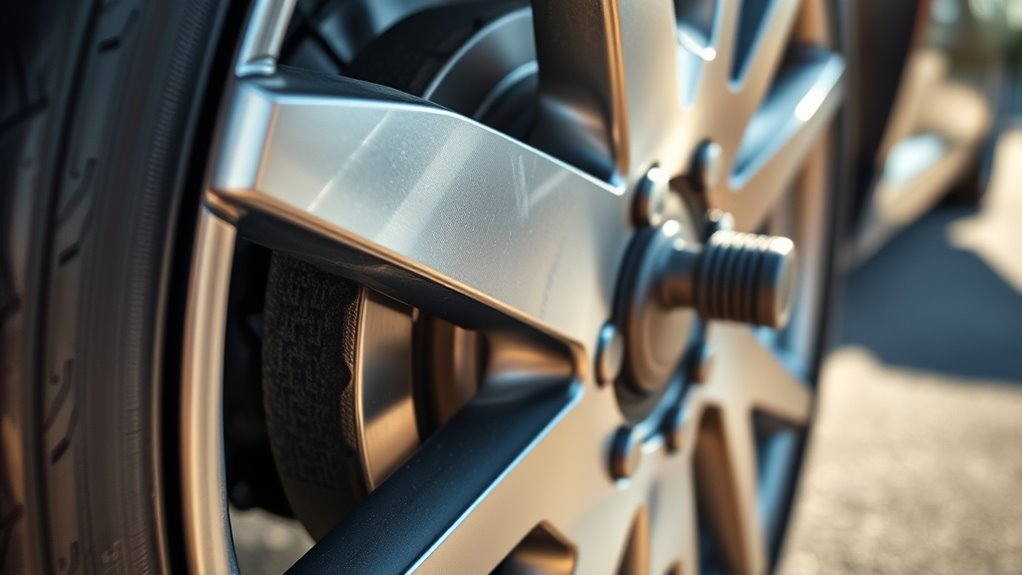
If you hear a high-pitched squeak that gets worse as you accelerate, your serpentine belt might be worn or loose. This common culprit can create that annoying squeaking noise that’s hard to ignore.
A high-pitched squeak worsening with acceleration often signals a worn or loose serpentine belt.
You might also notice squeaking when turning if your power steering fluid is low, causing extra strain on the system. Your suspension system can be another source—worn shock absorbers or bushings often produce squeaks when you drive over bumps or make turns.
Don’t forget about brake pads; if your brake pad wear indicators activate, they’ll cause a squeal, signaling your brake pads need replacement. Ultimately, worn wheel bearings can cause a grinding or squeaking sound that intensifies with speed and turns.
If you drive a squeaky car, these components are usually behind the noise. Understanding these common causes helps you pinpoint issues before they worsen, keeping your vehicle safe and quiet on the road.
How to Diagnose and Fix Car Squeaking Problems
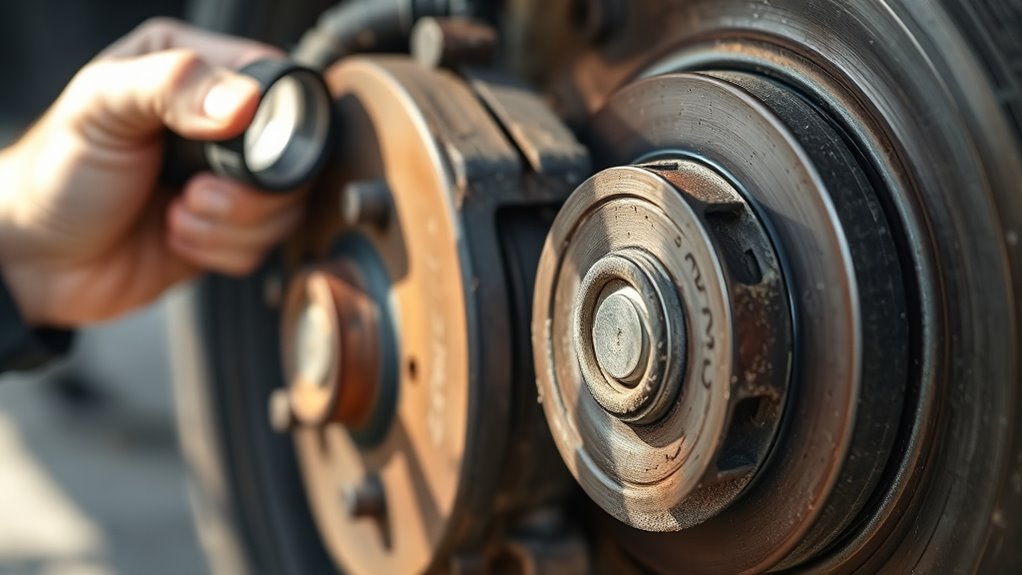
Identifying the exact cause of your car’s squeaking starts with paying close attention to when and where the noise occurs—whether during braking, turning, or accelerating.
Check for a squeaking sound from the steering system by inspecting the power steering fluid in the fluid reservoir. Low fluid often triggers squeaking and squealing when you turn the steering.
Also, look for worn or loose belts, brake pads, or suspension parts that may cause squeaks during your drive.
| When You Drive | Possible Cause |
|---|---|
| Turning the steering | Low power steering fluid |
| Braking | Worn brake pads |
| Accelerating | Loose or worn belts |
If you spot warning signs or the squeak persists, use diagnostic tools or consult a mechanic promptly.
Fixing low fluid levels or replacing worn components helps stop squeaking and safeguards your vehicle.
Frequently Asked Questions
Is It Safe to Drive a Squeaky Car?
You shouldn’t drive a squeaky car without checking it first. That noise often signals a problem that could worsen, risking your safety.
It’s best to get a mechanic to inspect it promptly. That way, you can avoid breakdowns or accidents.
How Do I Diagnose a Car Squeak?
Of course, diagnosing a squeak is as simple as ignoring it!
But seriously, you’ll want to listen carefully, check belts, brakes, fluid levels, and test-drive while pinpointing the noise with a stethoscope or keen ears.
Why Does My Wheel Squeak When I Drive but Not When I Brake?
Your wheel squeaks while driving but not braking because worn or dry wheel bearings create friction only when spinning freely.
When you brake, the pads clamp down, stopping the noise temporarily. It’s like the braking action quiets things down for a bit.
Check and lubricate your bearings to fix the issue. That should help keep the squeak from coming back.
How Can I Get My Car to Stop Squeaking?
You can stop your car from squeaking by regularly inspecting belts and brake pads, lubricating moving parts, topping off fluids, and promptly addressing noises with a mechanic.
Don’t hesitate to use diagnostic tools for accurate fixes. It really helps pinpoint the problem faster and saves you some hassle.
Conclusion
If your car’s squeaking drives you crazier than a swarm of bees, don’t ignore it. That noise is your car’s way of asking for help.
By checking common causes like worn brake pads, loose belts, or suspension issues, you can pinpoint the problem quickly.
Taking action now not only saves you from costly repairs but also keeps your ride smooth and safe.
So, listen closely and fix that squeak before it takes over your drive! Remember, addressing the squeaking sound in your car early on can prevent bigger issues down the road. Whether it’s a simple belt adjustment or replacing brake pads, tackling the cause ensures your vehicle stays reliable and comfortable. Don’t let a small squeak turn into a major headache—keep your car running quietly and smoothly by paying attention to those warning signs.