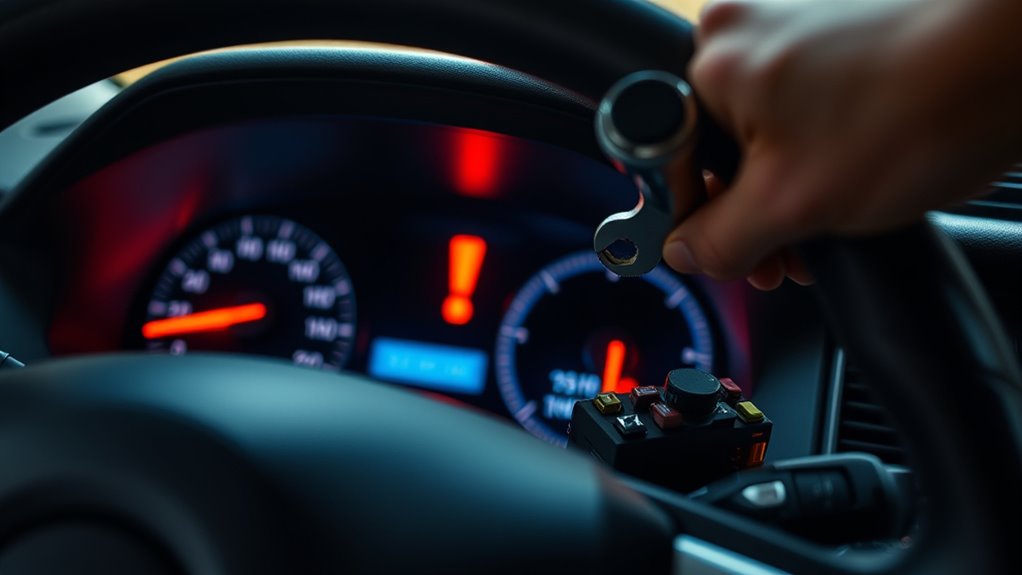
What Does the Exclamation Point Mean in a Car and How to Fix It
The exclamation point on your car’s dashboard usually signals a tire pressure warning. This means one or more of your tires are likely underinflated, which can affect your car’s handling and safety. It’s important to check your tire pressures right away to avoid problems like poor handling, increased tire wear, or even accidents.
Start by inspecting your tire pressure and brake fluid levels. If everything seems fine but the warning light stays on, you might need a diagnostic tool to check for sensor issues. Sometimes, the problem could be a faulty tire pressure sensor rather than actual low pressure.
If you’re still unsure or the light won’t turn off, a mechanic can help diagnose and fix the issue. Keep reading for detailed steps to identify and repair this warning light.
Key Takeaways
- The exclamation point inside a horseshoe symbol signals a Tire Pressure Monitoring System (TPMS) warning for underinflated tires. Check all tire pressures immediately and inflate to the recommended levels to resolve the warning.
- Also, it’s a good idea to inspect brake fluid levels and the throttle system. Sometimes faults there can trigger the warning light too.
- Using diagnostic tools to scan for sensor errors can help pinpoint the issue. Regular maintenance is key to preventing false alerts from showing up.
- If the warning keeps coming on after you’ve checked the tire pressure and related systems, it’s best to consult a qualified mechanic. They can diagnose and fix any deeper problems.
What’s That Exclamation Point on Your Dashboard Telling You?
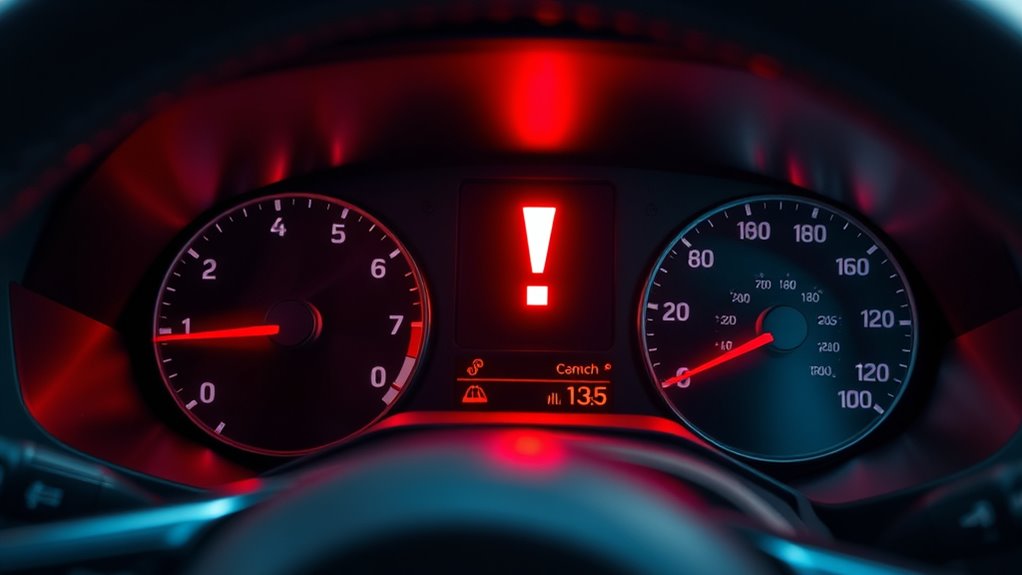
The exclamation point inside a horseshoe shape on your dashboard signals a tire pressure monitoring system (TPMS) warning, meaning at least one tire is underinflated. This alert often appears as an orange exclamation mark and may show up alongside other dashboard lights.
When you see this symbol, it’s vital to check your tire pressures right away. Driving with low tire pressure compromises your vehicle’s handling, increases tire wear, and raises the risk of accidents.
The TPMS warning is designed to protect you by catching underinflated tires early, so you can address the issue before it worsens. Ignoring this alert isn’t a good idea—it can lead to more serious problems down the road.
How to Diagnose and Fix Exclamation Point Warnings in Your Car
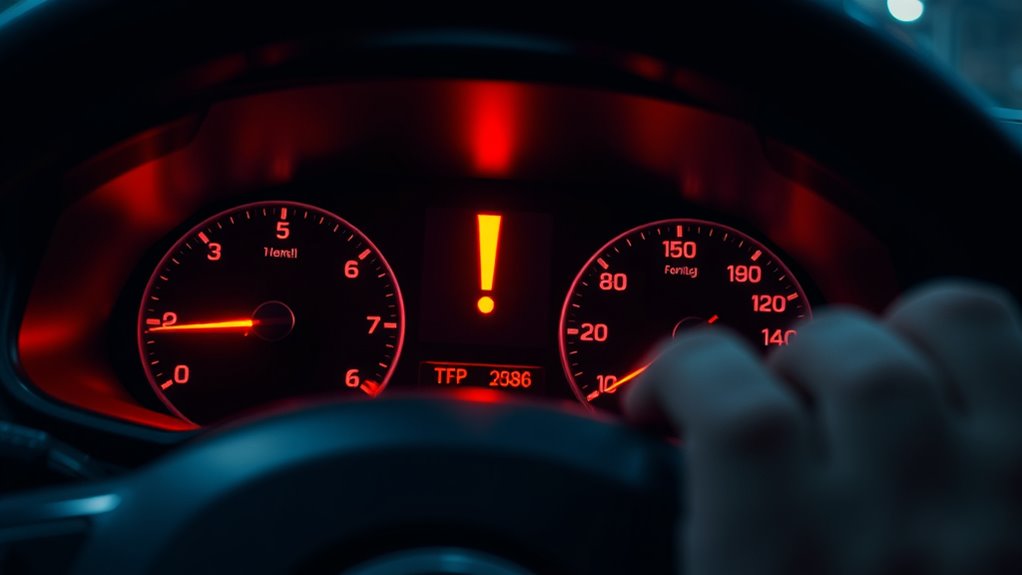
If you notice an exclamation point warning on your dashboard, you’ll want to start by checking key systems like brake fluid levels, throttle function, and sensors for any faults. Low brake fluid or a malfunctioning throttle body often triggers this alert.
Using a diagnostic tool can pinpoint sensor issues or system errors causing the warning. Regular maintenance on these components helps prevent false or repeated warnings.
If you can’t identify the problem, consult a qualified mechanic promptly to guarantee accurate diagnosis and repair.
| System Component | Diagnosis Step |
|---|---|
| Brake Fluid | Check level; top off if low |
| Throttle Body | Inspect for faults or blockage |
| Sensors | Use diagnostic tool to scan |
| Maintenance | Schedule regular system checks |
Following these steps helps you quickly address the warning and keep your vehicle safe.
Frequently Asked Questions
Can I Drive With the (!) Light On?
You shouldn’t drive with the (!) light on unless it’s an emergency. It signals a serious issue, so get your car checked by a mechanic as soon as possible.
You don’t want to risk further damage or safety problems. Better safe than sorry, right?
How to Fix Exclamation Points on Dashboard?
Check your tire pressure first and inflate if needed.
If it’s a system warning, inspect fluid levels and sensors. Use a diagnostic tool or owner’s manual to identify the issue.
Then fix it yourself or seek professional help if needed.
Should I Call a Mechanic if the (!) Light Comes On?
Yes, you should call a mechanic right away if the (!) light comes on. They can diagnose the issue quickly and prevent further damage.
Plus, they’ll keep you safe by addressing any critical problems before they get worse. It’s better to be cautious and get it checked out sooner rather than later.
What Does a (!) Mean in a Car?
The (!) means your car’s warning system detected an issue, often related to brakes or traction control. You should check brake fluid and system status immediately to avoid safety risks.
It’s important to get it fixed as soon as possible. Don’t ignore this warning—it’s there for your safety!
Conclusion
So, what does that exclamation point really mean for you? It’s your car’s way of grabbing your attention, signaling something needs fixing—whether it’s tire pressure, brakes, or another issue. Don’t ignore it!
By quickly diagnosing the problem and taking action, you can keep your ride safe and smooth. Ready to tackle that warning light and get back on the road with confidence?
Your car—and your peace of mind—will thank you. Understanding what the exclamation point means in a car is key to preventing bigger issues down the line. Whether it’s a tire pressure warning or a brake alert, addressing the problem promptly ensures safety and reliability. So next time you see that warning light, don’t panic—just check it out and fix it sooner rather than later. Staying proactive with your car’s alerts helps you avoid costly repairs and keeps every drive worry-free.






One Comment