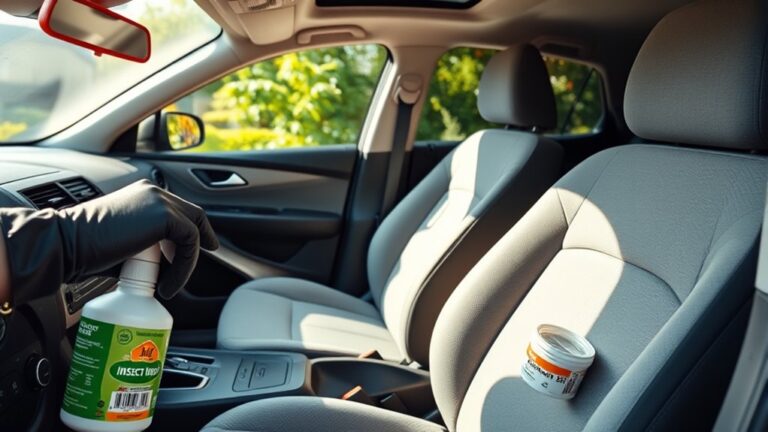
Why Is My Car Making a Rattling Noise When Driving?
If your car is making a rattling noise when driving, it usually means something’s loose or worn out.
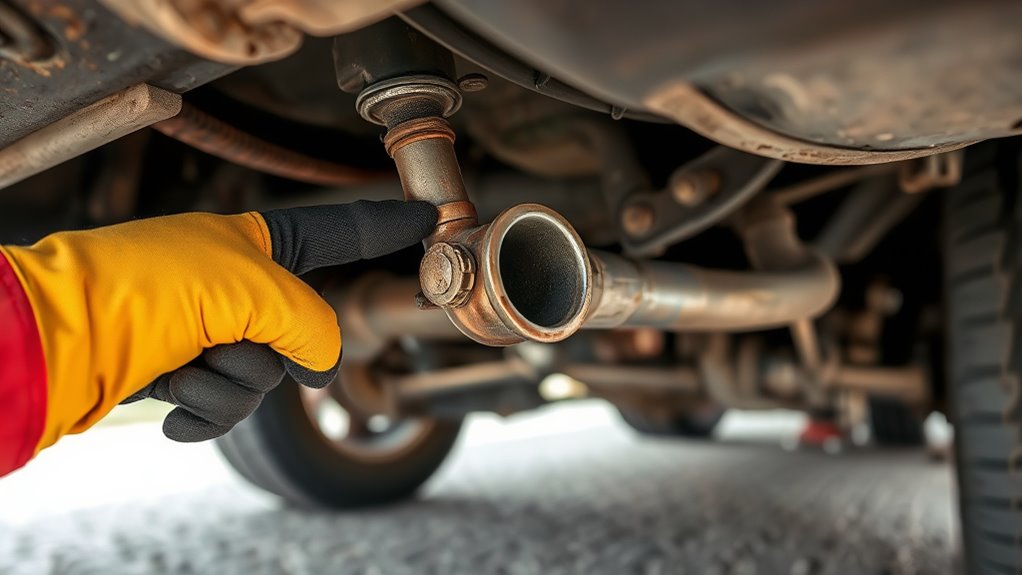
Common culprits include suspension parts, heat shields around the exhaust, or even external panels. Sometimes, internal issues like worn wheel bearings, engine mounts, or broken resonator baffles can also cause that annoying rattle.
You can often try tapping or shaking the parts you suspect to find the source of the noise.
But if the rattling keeps happening, it’s a good idea to get a thorough inspection.
Keep reading, and you’ll learn how to pinpoint and fix that pesky rattle for good.
Key Takeaways
- Rattling noises often come from loose or damaged suspension parts. These cause instability while you’re driving, which can be pretty unsettling.
- Sometimes, loosened heat shields or exhaust components are the culprits. You might notice the rattling more at certain speeds.
- External parts like roof rack clamps or plastic covers can also get loose. When that happens, they rattle as your car moves along.
- Inside the car, worn components like wheel bearings, engine mounts, or resonator baffles might be making that persistent rattling noise.
- A good way to find the source is by inspecting and gently tapping the parts you suspect. If you’re still unsure, it’s best to get a professional to check it out.
Why Is My Car Making That Rattling Noise?

If your car is making a rattling noise while driving, it’s often due to loose or damaged suspension parts, heat shields, or external panels. This rattling noise can come from worn suspension components that have suffered wear and tear over time.
Heat shields around the exhaust system often loosen, causing a persistent rattle, especially at higher speeds. External panels or loose parts like roof rack clamps and plastic covers can also produce similar sounds.
Internal issues like worn wheel bearings, broken resonator baffles, or failing engine mounts may contribute to rattling noises and even affect engine performance. Since the causes vary widely, proper diagnosis requires a thorough inspection of both external and internal components.
Figuring out whether the noise is coming from the exhaust system, suspension, or other areas is *essential* to avoid further damage. Taking care of the rattling quickly helps ensure your car runs smoothly and safely.
How Can I Find and Fix That Rattling Sound?
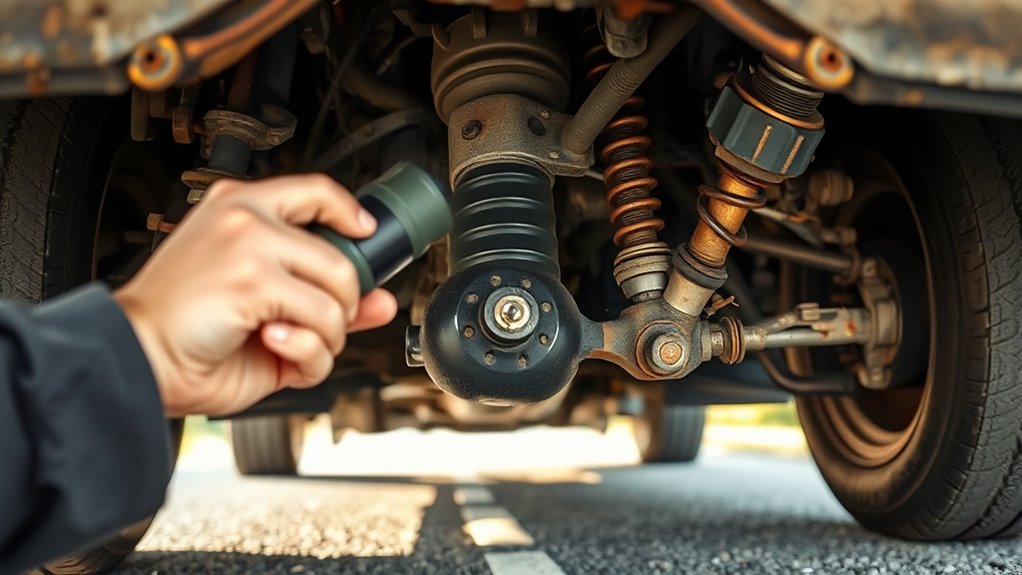
When you notice a rattling sound while driving, start by observing whether it happens at specific speeds or road conditions to help pinpoint the cause.
Next, inspect external parts like heat shields, exhaust components, and plastic covers for loose components or damage. Use your hand or a screwdriver to gently tap or shake suspected parts to see if they produce the rattling noise.
Don’t forget to check inside the vehicle too—loose interior panels, dashboard parts, or window seals can also cause rattling.
If you can’t find the source through these steps, consider that internal suspension or engine components might be involved.
At this point, it’s wise to consult a professional mechanic who can thoroughly inspect and fix the issue.
Frequently Asked Questions
Can I Drive My Car if It’s Making a Rattling Noise?
You can drive your car briefly if the rattling noise is minor and doesn’t affect handling, but don’t ignore it.
Get a mechanic to inspect it promptly to avoid costly damage or safety risks.
How Much Does It Cost to Fix Car Rattling?
When your car rattles like coins in a jar, expect to pay $100 to $500 to fix it. Simple fixes cost less, but complex repairs, like suspension or engine issues, can easily top $1,000.
It’s kind of like when something’s loose or worn out—it’s usually an easy fix. But if the problem runs deeper, like with your engine or suspension, be ready to spend a bit more. Cars can be tricky that way!
Is a Rattling Noise Serious?
Yes, a rattling noise can be serious. You shouldn’t ignore it because it might signal worn suspension or engine damage.
Get it checked quickly to avoid costly repairs and guarantee your safety on the road. It’s always better to be safe than sorry!
What Does a Transmission Rattle Sound Like?
Don’t ignore that rattling sound—it’s not just annoying.
A transmission rattle sounds like metallic clanking or grinding, especially when accelerating or shifting gears.
You’ll notice it more at low RPMs or when the transmission’s cold.
Conclusion
If your car’s rattling noise has you wondering if it’s just a loose heat shield or something more serious, you’re not alone. While a loose shield is a common culprit, don’t dismiss other possibilities like worn suspension parts or engine issues.
The truth is, pinpointing that rattle early can save you from costly repairs down the road. So, trust your instincts and get it checked—you’ll drive safer and with peace of mind.
Rattling noises when driving can indicate a range of issues, from minor to more serious problems. Addressing the cause quickly helps prevent further damage and keeps your car running smoothly. Whether it’s a loose heat shield, suspension wear, or engine trouble, getting a professional inspection can identify the exact source. Remember, early diagnosis of rattling noises means safer driving and avoiding expensive fixes later on. Don’t ignore these sounds—listen carefully and take action.