
What Does Deleting a Truck Mean?
Deleting a truck means you remove or disable key emissions systems like the Diesel Particulate Filter (DPF) and Exhaust Gas Recirculation (EGR). This is often done to boost engine performance and reduce maintenance costs.
People do it hoping for benefits like increased horsepower and better throttle response.
But here’s the catch—it breaks environmental laws and can lead to hefty fines. Plus, it causes more pollution, which isn’t great for the planet.
Over time, these changes might even result in higher expenses and could void your truck’s warranty.
If you’re thinking about deleting your truck, it’s important to weigh the pros and cons carefully. Keep reading to understand the full impact and trade-offs involved before making a decision.
Key Takeaways
- Deleting a truck means removing or disabling emissions control systems like the DPF, EGR, NOx filters, and DEF. It usually involves installing delete kits that replace the original parts with pipes or aftermarket exhaust components.
- The truck’s ECU is then reprogrammed to bypass sensors and emissions controls, which helps boost engine performance. This process can increase horsepower, torque, and throttle response while improving exhaust flow.
- But keep in mind, deleting a truck violates EPA regulations and causes environmental harm. Plus, it can lead to hefty fines and might even void your vehicle’s warranty. So, it’s a risky move despite the performance gains.
What Does Deleting a Truck Mean? Emissions Systems Explained

What does it really mean to delete a truck? When you delete a truck, you’re removing or disabling key emissions systems like the DPF (Diesel Particulate Filter), EGR (Exhaust Gas Recirculation), NOx filters, and the DEF system. These components work together to reduce harmful emissions and keep the exhaust cleaner.
A diesel delete involves installing a delete kit that replaces these parts with pipes or race exhausts, and reprogramming the vehicle’s ECU to bypass sensors and emissions control functions. You do this to improve exhaust flow and boost engine performance, while cutting down on maintenance costs tied to emissions equipment.
However, by disabling these systems, your truck will emit higher levels of soot and NOx gases. Understanding what these emissions systems do and how a delete kit affects them is essential before deciding to alter your truck’s setup.
The Pros and Cons of Deleting a Truck: Performance, Legal, and Environmental Impacts
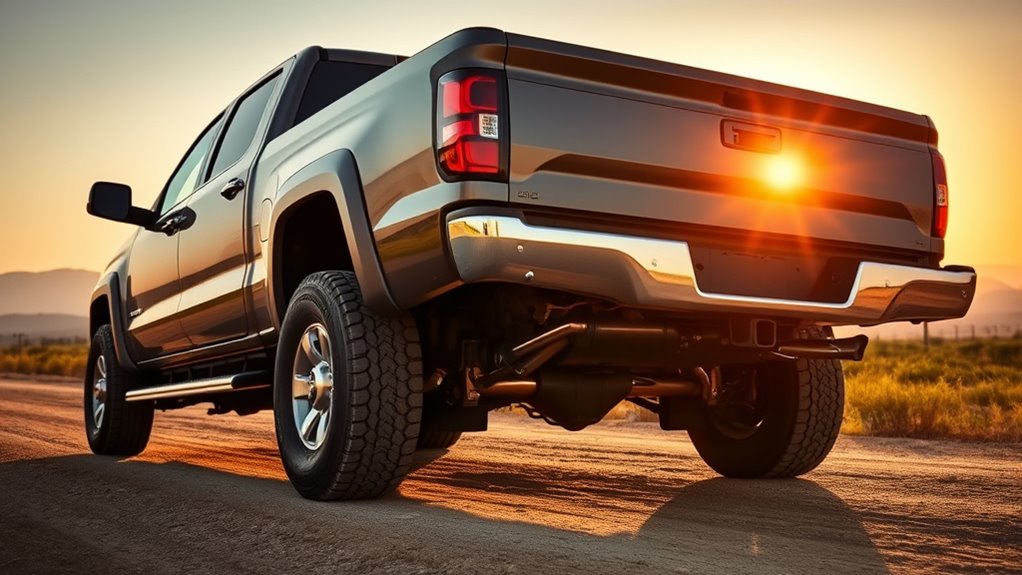
Although deleting a truck can boost horsepower and improve throttle response, it comes with serious legal and environmental consequences you should consider. When you delete emissions systems like the DPF and EGR, your engine’s performance may improve, offering increased torque and better throttle response.
Deleting emissions systems can enhance performance but carries significant legal and environmental risks.
However, this comes at a cost—your truck will emit substantially higher emissions, harming the environment. Legally, deleting these components violates EPA regulations, risking fines up to $5,000 per device and voiding your manufacturer warranty.
You may also experience reduced fuel efficiency and increased engine wear, leading to higher maintenance costs over time. While the initial performance gains might seem appealing, the legal risks and environmental damage generally outweigh the benefits.
This is especially true if you use your truck daily on public roads. Ultimately, you need to weigh these pros and cons carefully before deciding to delete your truck’s emissions controls.
Frequently Asked Questions
Is Having a Deleted Truck Illegal?
Yes, having a deleted truck is illegal. You’ll face fines, fail emissions tests, and risk legal trouble.
Authorities strictly prohibit removing emissions controls, so it’s best to keep your truck compliant to avoid penalties and registration issues.
Better safe than sorry, right? Keeping everything up to code saves you from a lot of headaches down the road.
How Much Does It Cost to Delete Your Truck?
You’ll find deleting your truck costs anywhere from $1,000 to over $5,000—like paying for a new sound system, but for your engine. Kits, tuning, and labor all add up, so budget carefully before you start.
It’s a bit of an investment, but if you’re serious about it, planning your budget upfront will save you headaches later. Just think of it as upgrading your ride in a different way!
What Does It Mean When Someone Says a Truck Is Deleted?
When someone says a truck is deleted, they mean its emissions systems—like the DPF and EGR—have been removed or disabled.
You’ll often see aftermarket exhausts and tuned software boosting performance but making it illegal for street use.
Basically, it’s all about getting more power and better efficiency, but it comes with some legal and environmental trade-offs.
Is Deleting DEF Worth It?
Don’t bite off more than you can chew—deleting DEF isn’t worth it. You’ll face legal troubles, environmental harm, and void warranties.
The performance gains rarely justify the risks and costs you’ll surely encounter. It’s just not worth the hassle or the consequences.
Conclusion
Deleting a truck means removing or disabling its emissions control systems. This can boost performance, giving your vehicle more power and responsiveness.
But, it comes with serious legal and environmental risks. You might feel like a knight wielding newfound power on the roads, but remember, these changes can lead to hefty fines and harm the planet.
Before you decide, weigh the immediate gains against long-term consequences. You don’t want to be stuck in the past, fighting battles that modern laws and ethics have already settled.
In the end, deleting a truck might seem tempting for better performance, but the legal risks and environmental impact make it a risky choice. It’s important to understand what deleting a truck really means and think carefully about the potential consequences before making any changes.





2 Comments