7 Factors That Affect How Much It Does Cost to Repaint a Truck
When repainting your truck, several key factors affect the overall cost. Paint quality and the type of service you choose play a big role.
Plus, the size of your truck and the condition of its surface impact both labor and materials.
Where you live also matters because labor rates can vary a lot by location.
Specialty finishes or custom work will add to the expense as well.
Don’t forget about hidden costs like rust repair or removing parts before painting.
You might also want to think about whether to do it yourself or hire a professional. This choice can influence the quality of the job and how long the paint lasts.
Understanding these factors will help you make the best decision for your truck’s repaint.
Key Takeaways
- Paint quality and type, including specialty finishes, significantly influence the overall repainting cost of a truck. Different paints can vary a lot in price, so choosing the right one matters.
- Larger trucks require more paint and labor, increasing the total cost compared to smaller vehicles. It just takes more time and materials to cover a bigger surface.
- Surface condition, such as rust or dents, adds prep work and raises repainting expenses. Fixing these issues first is important to get a smooth, lasting finish.
- Geographic location and local labor rates impact the price, with urban areas typically charging more. Where you live can really change what you’ll pay.
- Choice between DIY and professional services affects cost, quality, and potential hidden expenses. Doing it yourself might save money upfront, but pros usually get better results and can avoid costly mistakes.
Truck Repainting Cost Overview: What to Expect
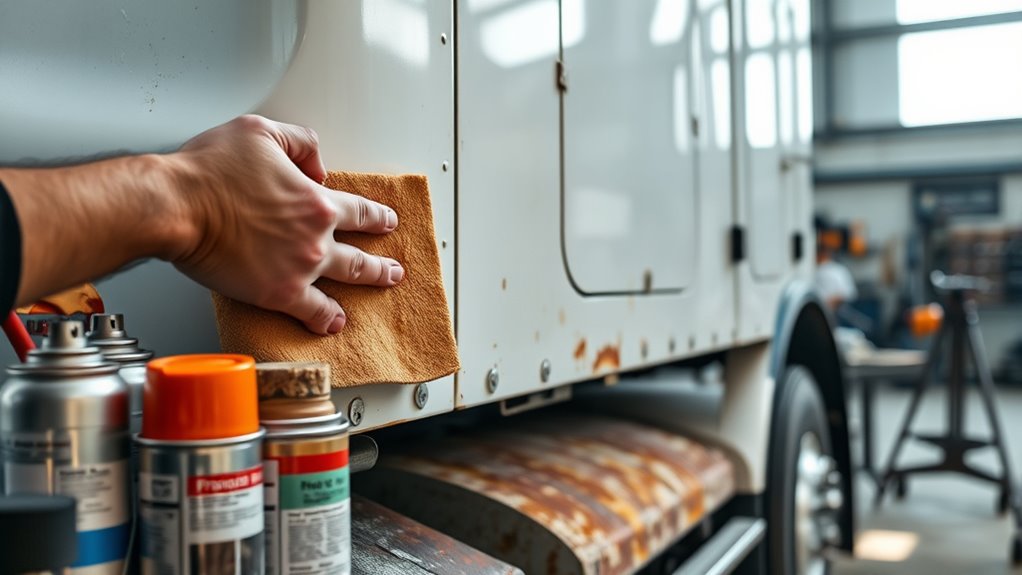
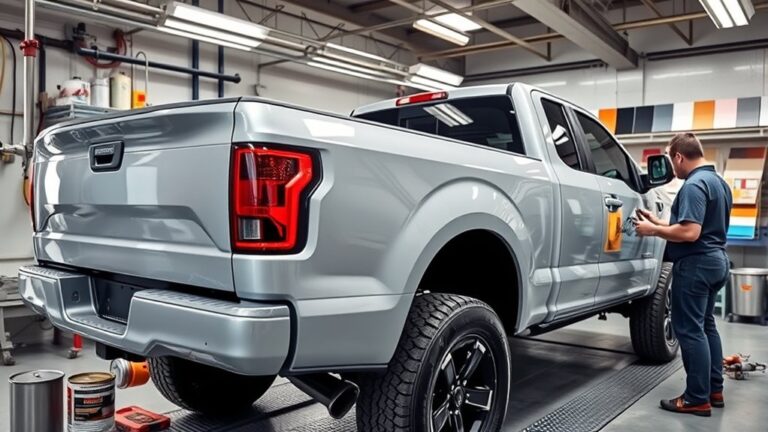
While the cost to repaint a truck can vary widely, you can generally expect to pay between $1,500 for a basic job and over $10,000 for high-quality or custom finishes. When you take your truck to a body shop, the price largely depends on the type and quality of paint you choose.
Repainting a truck typically costs between $1,500 for basics and over $10,000 for premium or custom finishes.
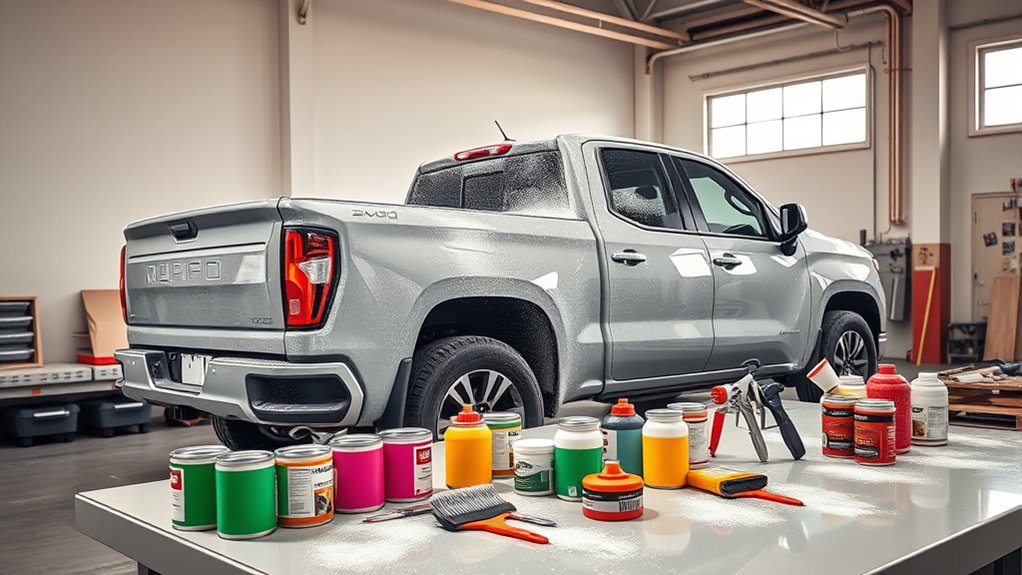
Basic paint jobs use standard colors and minimal prep, keeping costs low. However, opting for metallic or specialty paint raises the cost because these finishes require extra materials and expertise.
The condition of your truck’s surface also affects the final price. If there’s rust or damage, the body shop will need to invest time and resources into repairs before painting, which adds to your bill.
Additional services like removing parts or detailed prep work can further increase the cost. Understanding these factors helps you set realistic expectations for your truck painting project and choose the best options for your budget.
How Truck Size Influences Repainting Price

When you repaint a larger truck, you’ll use more paint and spend extra time on labor, which drives up the cost. The bigger the vehicle, the more surface area needs coverage, meaning higher material and labor expenses.
Keep in mind that your truck’s size directly impacts both the price and the time required to complete the job. So, the larger your truck, the more you can expect to pay and wait.
Larger Trucks Need More
Repainting a larger truck, like a semi-truck or heavy-duty commercial vehicle, can cost two to three times more than a smaller truck. That’s because larger trucks require considerably more paint materials, which directly increases paint costs.
The vehicle size determines how much primer, base coat, and clear coat you’ll need, and bigger trucks naturally demand larger quantities. Besides materials, labor expenses also rise since prepping, painting, and finishing a bigger surface takes more time and effort.
You’ll often need specialized equipment and extensive masking for larger trucks, adding complexity and time to the job. So, when your truck’s size grows, expect both paint materials and labor expenses to climb, making repainting a larger truck markedly more costly than smaller ones.
Paint And Labor Costs
The size of your truck directly impacts both the paint and labor costs involved in a repainting job. Larger trucks demand more paint and materials, increasing expenses. Labor charges also rise due to extended prep work and longer application time.
Here’s how size influences costs: More surface area requires higher quantities of primer, paint quality coatings, and clear coats. Plus, extensive prep work for bigger trucks takes more time and skill.
Application time grows with truck size, meaning labor charges increase accordingly. On the other hand, smaller trucks need less paint and quicker labor, making them more affordable to repaint.
Understanding these factors helps you anticipate the overall cost when repainting your truck. It’s all about balancing paint and materials with labor demands efficiently.
Vehicle Dimensions Affect Price
Because larger trucks like semi-trailers have much more surface area, you’ll pay considerably more for repainting compared to smaller pickups. The vehicle size directly impacts paint coverage, meaning bigger trucks require a greater material quantity.
This increase raises both your paint and labor costs since more prep work, masking, and sanding are necessary. Surface area plays an essential role in determining the time and effort needed, which translates into higher labor expenses.
For example, repainting a full-sized commercial truck can cost between $6,000 and $12,000, whereas smaller pickups might only cost $1,500 to $3,500. So, when estimating repainting expenses, consider vehicle dimensions carefully—they’re a primary factor because larger vehicles demand more materials and longer application times.
Why Paint Quality Matters for Your Truck’s Cost
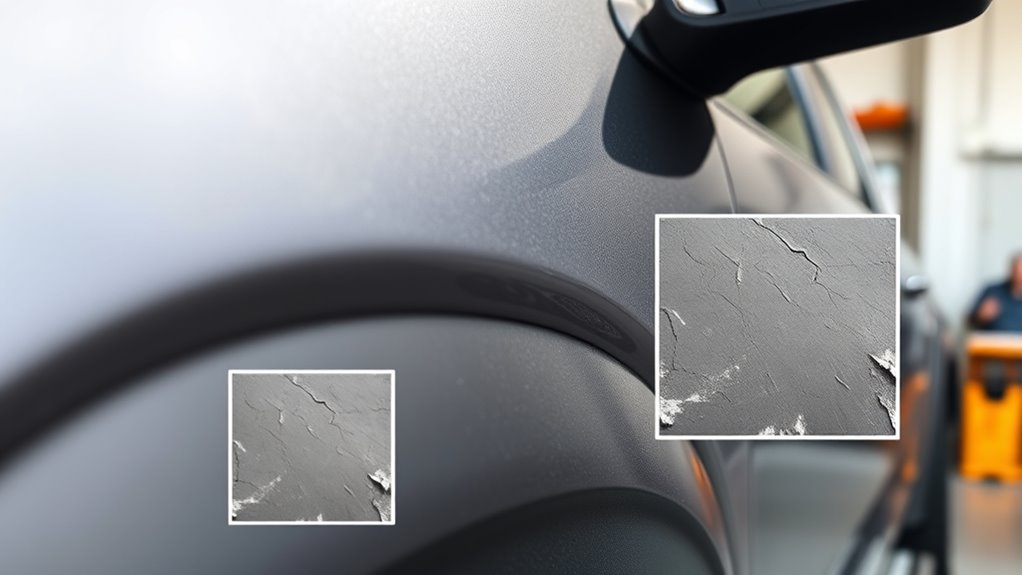
Although choosing higher-quality paint for your truck may increase the initial cost, it can save you money in the long run by offering better durability and a more vibrant finish. The paint quality you select directly impacts the cost of painting and the longevity of your truck’s appearance.
For example, metallic paint demands a higher upfront investment but provides a superior protective layer that resists chipping and weather damage. High-quality paint also enhances the truck’s look with a smooth, professional finish that standard paints can’t match.
Consider these factors when selecting paint quality:
- Premium paints often require specialized application, increasing labor costs.
- High-quality paint lasts longer, reducing the frequency and cost of repainting.
- Superior protective layers guard against environmental wear, preserving your investment.
- Metallic paint options elevate aesthetics but contribute to higher repainting expenses.
Investing in quality paint balances initial cost with long-term savings and improved appearance. It’s definitely worth thinking about if you want your truck to look great and stay protected for years to come.
Surface Condition and Its Impact on Prep and Price
When your truck’s surface shows rust, dents, or scratches, expect prep work—and costs—to rise considerably. The worse the surface condition, the more time and effort goes into sanding, patching, and priming before painting even begins.
Damage like corrosion or deep scratches often requires repair to ensure a smooth, durable finish. Skipping or rushing this prep work can lead to premature paint failure, causing you to spend more on future repairs.
The extent of surface damage directly impacts your repainting costs. Extensive prep work means higher labor expenses and longer project timelines.
Repairing dents or rust spots can add hundreds or even thousands of dollars to the total cost. So, the better you maintain your truck’s surface, the less you’ll pay in prep work and repairs when it’s time to repaint.
Taking care of surface condition upfront saves you money and protects your investment in the long run. It’s definitely worth the effort!
Truck Repainting Labor Rates and Shop Location Effects
If you want to manage your truck repainting budget effectively, understanding how labor rates and shop location affect costs is essential. Labor rates fluctuate widely due to geographic variation, with urban areas often charging more than rural ones.
For example, auto body shops in major cities like Portland may bill between $75 to $150 per hour, directly influencing repainting costs. The shop’s reputation and experience also play a big role—highly rated or specialized facilities usually have higher labor rates.
Consider these key factors:
- Geographic variation drives labor rates, often higher in cities with elevated living costs.
- Shop location affects pricing; rural shops typically offer lower rates than urban counterparts.
Market demand and local competition can push labor costs up or down. Experienced, reputable auto body shops charge premium rates, reflecting quality and reliability.
Types of Truck Paint Services: Choosing What’s Right
You’ll find paint services range from basic jobs with minimal prep to premium options featuring specialty finishes and custom effects. Choosing between these depends on how much durability and style you want for your truck.
Keep in mind, adding custom touches or specialty coatings will raise the overall cost. It’s all about balancing what looks good and what lasts.
Basic Versus Premium
Although basic truck paint services cost less and take less time, choosing premium options can provide a more durable and visually striking finish. When deciding between a basic paint job and premium services, you should weigh the cost of a paint against your needs.
Basic paint typically involves fewer paint layers and minimal prep, making it quicker and more affordable. Premium services, however, include advanced techniques and materials that enhance longevity and appearance.
Consider these factors:
- Basic paint uses synthetic enamel with limited surface preparation.
- Premium services include multi-layer paint jobs with clear coats.
- Premium offers custom color matching and decorative effects.
- Basic paint jobs range from $1,500 to $3,500; premium services start around $5,000.
Custom Paint Options
When selecting a truck paint service, custom options let you express your style while influencing the final cost. You can choose from metallic finishes, specialty finishes, or even a multi-coat process that adds depth and durability.
Custom paint jobs often involve more than just color; adding custom graphics, stripes, or personalized designs increases complexity and price. A basic single-coat application won’t cost as much as a detailed multi-stage finish with multiple layers and clearcoats.
Keep in mind, specialty finishes like pearlescent or chameleon paint can push costs even higher. Plus, the extra prep work, masking, and detailing required for custom paint jobs add to the final bill.
Understanding these options helps you pick the right balance between style and budget. So, think about what matters most to you before making a decision.
Specialty Finishes Impact
Custom paint options often lead you to contemplate specialty finishes, which can substantially affect your truck’s repainting cost. Specialty finishes like metallic paints or pearlescent coatings typically increase paint cost by 20-50% over standard colors.
These custom finishes require more complex application techniques and extra coats, driving up labor and materials expenses. You should consider:
- Metallic and matte paints add visual appeal but raise costs considerably
- Multistage custom finishes demand precision and increase labor time
- Graphics or color-changing paints require extra prep and detailing
- Protective specialty coatings, like ceramic layers, boost durability and price
Choosing specialty finishes means balancing your desired look against higher paint cost and the intricate application techniques needed for top-quality results. It’s all about getting the look you want without surprises on the bill.
Hidden Costs and DIY vs. Professional Painting Options
Because repainting your truck involves more than just applying a new coat of paint, you should be prepared for hidden costs like rust repair, part removal, and surface preparation. These can quickly add hundreds or even thousands to your bill.
DIY painting might seem cheaper upfront, but it often leads to lower quality finishes. Plus, you might face extra costs from mistakes or surface damage you could miss.
Professional repainting typically costs more but offers warranties, expert surface prep, and a durable finish. This usually helps reduce long-term expenses.
However, keep in mind that extra charges can appear for sensor recalibration or custom work.
| Option | Emotional Impact |
|---|---|
| DIY Painting | Saves money now, risks regret |
| Professional Repainting | Peace of mind, higher upfront cost |
| Hidden Costs | Surprise expenses, frustration |
Weighing these factors helps you decide the best path for your truck’s repainting needs.
Frequently Asked Questions
How Much Should It Cost to Repaint a Truck?
You should expect to pay between $8,000 and $12,000 for a professional truck repaint. Basic jobs start around $1,500, but high-quality finishes and repairs can increase the cost considerably.
It really depends on what you want done. If you’re just looking for a simple paint job, it might not cost as much. But if you want that showroom-quality finish or need some repairs first, be ready to spend more.
What Are the Main Factors That Determine the Cost of Paint?
The main factors that determine paint cost are your truck’s size, paint quality, surface condition, labor rates, and extra services.
Like a recipe, each ingredient changes the flavor—choose wisely to keep costs from spiraling out of control.
Does It Increase the Price on a Truck When You Have It Repainted?
Yes, repainting your truck can boost its price, especially if you choose high-quality paint or custom designs.
A professional job improves appearance and durability, making your truck more appealing to buyers and potentially increasing resale value.
It’s kind of like giving your truck a fresh new look that stands out.
Why Does It Cost so Much to Repaint a Car?
It costs so much to repaint a car because you’ll need skilled labor, high-quality materials, and thorough surface prep.
Plus, custom finishes and larger surfaces demand more time and effort, driving up the overall price considerably.
Conclusion
Repainting your truck isn’t just about color—it’s like giving your vehicle a fresh coat of confidence and protection. Each factor, from size to paint quality, acts like a brushstroke shaping the final masterpiece.
By understanding these costs, you’re steering your investment wisely. This way, your truck doesn’t just look good but stands strong.
So, take control of the process and paint your path to a vibrant, lasting ride. Knowing what affects how much it does cost to repaint a truck helps you make smart choices. It ensures your truck gets the care it needs without breaking the bank.