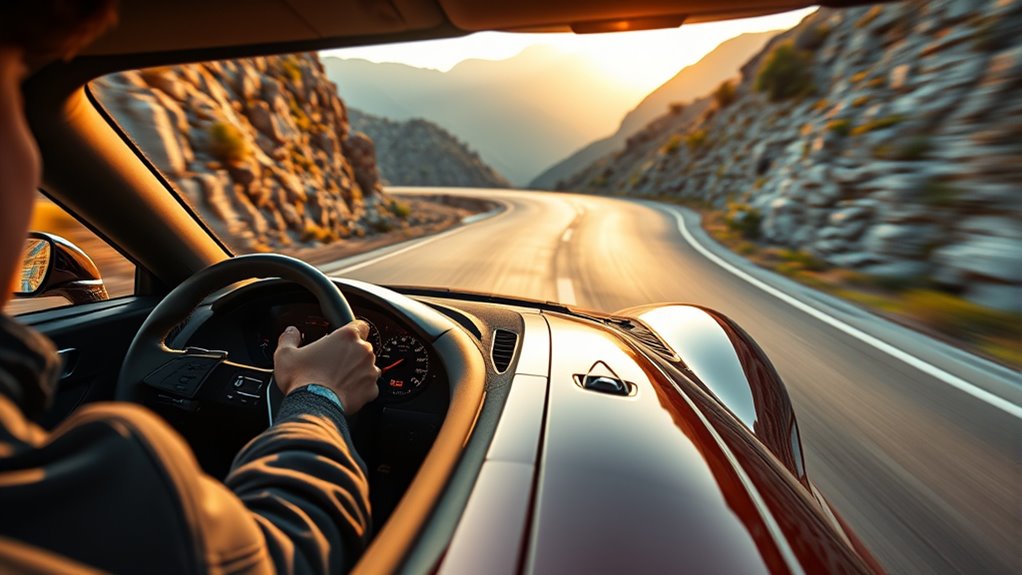
What Does Sport Mode Do in a Car?
When you activate sport mode in your car, it sharpens throttle response and holds gears longer to boost acceleration and engine performance. This means your car feels more responsive and powerful, giving you that extra push when you need it.
Sport mode also firms up the suspension and tightens steering for better handling and a more connected driving feel.
This mode is great on open roads or curvy routes where you want to enjoy a more dynamic and engaging drive. However, it isn’t ideal on slippery or congested streets because the sharper responses can make the car harder to control in those conditions.
If you want to understand how these changes impact your driving experience and when to switch modes, there’s more to explore. Curious to know when sport mode really shines? Let’s dive deeper.
Key Takeaways
- Sport mode increases throttle sensitivity and holds gears at higher RPMs for quicker acceleration and enhanced engine performance.
- It firms up suspension and tightens steering to improve handling and provide a sportier driving feel.
- The engine and transmission management optimize gear shifts for faster, more responsive driving dynamics.
- Sport mode is ideal for open roads, highways, and curvy roads where enhanced responsiveness and handling are beneficial.
- It is not recommended on slippery surfaces, heavy traffic, off-road, or when fuel economy is a priority.
What Sport Mode Does to Your Car’s Performance
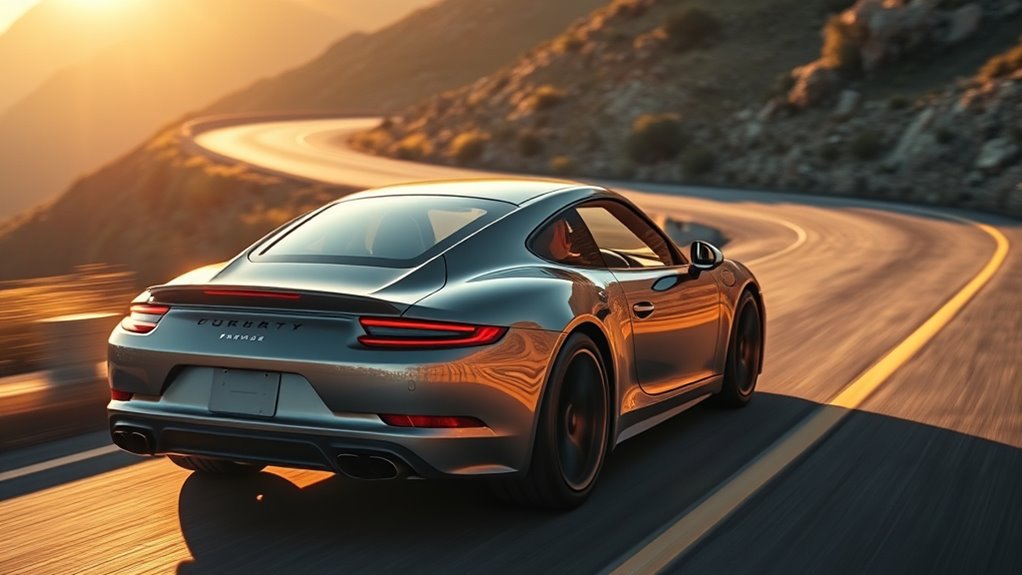
When you activate Sport Mode, your car instantly becomes more responsive by increasing throttle sensitivity and holding gears at higher RPMs. This sharper throttle response means your acceleration feels quicker and more immediate, delivering power right when you demand it.
Sport Mode adjusts gear shifts to occur at these elevated RPMs, maximizing engine performance and enhancing overall driving dynamics. You’ll notice the suspension firms up, improving handling and cornering stability, while the steering tightens for better control.
These changes boost vehicle responsiveness, making every input feel more connected and precise. The engine management system supports this by maintaining higher RPMs and enabling faster gear shifts, ensuring a sportier, more aggressive feel.
Together, these adjustments transform your car’s performance, offering a thrilling yet controlled driving experience. By engaging Sport Mode, you’re tuning your vehicle for sharper acceleration, improved handling, and heightened responsiveness on every drive.
When to Use Sport Mode: and When Not To

Sport Mode enhances your car’s responsiveness and handling, but knowing the right moments to engage it can make all the difference. You’ll get sharper throttle response and quicker shift points, improving your driving experience on open highways, curvy roads, or during overtaking.
However, Sport Mode isn’t ideal in every situation—its aggressive driving modes reduce traction control, which can jeopardize safety on slippery or wet surfaces.
Here’s a quick guide:
| When to Use Sport Mode | When Not to Use Sport Mode | Reason |
|---|---|---|
| Open roads, highways | Slippery, icy, or wet roads | Better control; traction risk |
| Curvy roads | Heavy traffic or city driving | Enhanced handling; increased wear |
| Overtaking and merging | Off-road or bumpy terrain | Quicker acceleration; suspension strain |
Switch back to normal or eco modes when fuel economy or safety is a priority. This way, you get the best balance from your car’s control system.
Frequently Asked Questions
When Should I Use Sport Mode in My Car?
You should use Sport Mode when merging on highways, driving on curvy roads, or overtaking for quicker response and better handling.
Just keep in mind, avoid it in slippery conditions to maintain control and traction. That way, you still get to enjoy a more dynamic drive without risking safety.
Does a Car Go Faster in Sport Mode?
Yes, your car accelerates faster in Sport Mode because it shifts at higher RPMs and sharpens throttle response.
You won’t necessarily get a higher top speed, but you’ll feel quicker and more responsive.
What Are the Disadvantages of Sport Mode?
Want to empty your wallet faster? Sport mode burns more fuel, wears out tires and brakes, and reduces comfort. It also risks overheating.
Plus, it’s like tempting fate on slippery roads—because who needs safety anyway? Just kidding, but seriously, it’s not the best choice when conditions aren’t ideal.
How Long Can I Drive in Sports Mode?
You can drive in sport mode as long as you want, but it’s best to avoid prolonged use. Extended time may cause engine wear, higher fuel consumption, and overheating.
Conclusion
Sport mode turns your car into a wild stallion, ready to charge with sharper responses and more power at your command. It’s perfect when you want to feel the thrill of the road, like dancing with every twist and turn.
But don’t let it run wild all the time—save it for when the road calls for excitement, not for everyday cruising. Use sport mode wisely, and you’ll enjoy a ride that sings with energy and control.
In short, sport mode enhances your vehicle’s performance by adjusting engine response, transmission shifts, and sometimes suspension settings. This mode is designed to give you more power, quicker acceleration, and a more engaging driving experience. Just remember, while sport mode can make your drive more exciting, it’s best used selectively to balance fun with fuel efficiency and comfort. So, when you want to feel that extra thrill and sharper control, sport mode is your go-to feature for an energized and dynamic ride.




One Comment