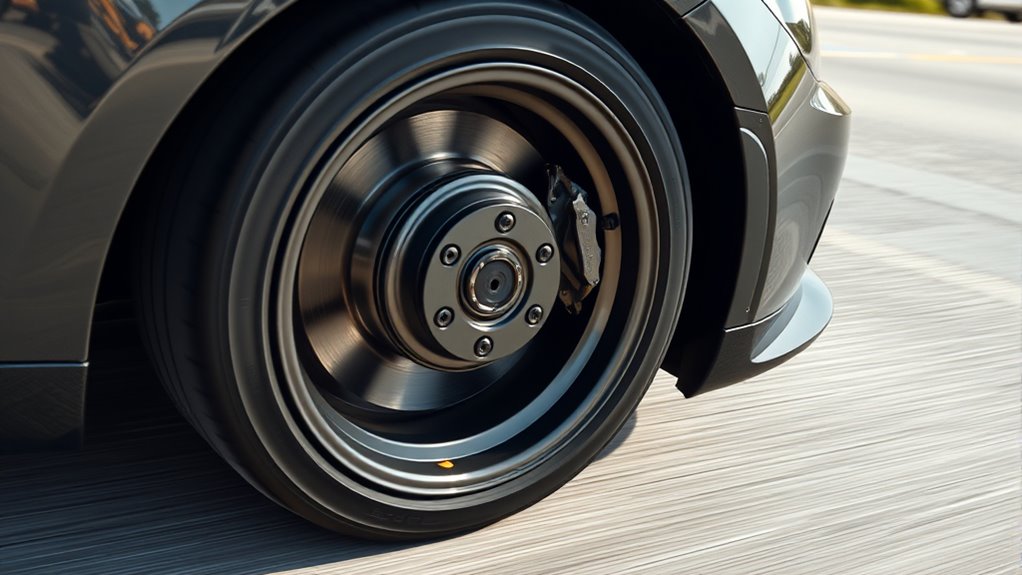
Why Is My Car Shaking When I Brake?
Your car shakes when you brake because of uneven or warped brake rotors, worn or glazed brake pads, or sticking calipers. These issues create vibrations you can feel either through the steering wheel or the body of your car. It’s pretty common and can be pretty unsettling when it happens.
But it’s not just the brakes causing the problem. Suspension issues, poor tire balance, or uneven tire wear can also lead to that shaking sensation.
Ignoring these problems isn’t a great idea because it can affect both your safety and comfort on the road.
So, it’s really important to identify what’s causing the shaking and fix it early. Keep reading to learn how to stop the shaking and enjoy a much smoother ride every time you hit the brakes.
Key Takeaways
- Warped brake rotors cause uneven contact, which leads to shaking when you brake.
- Worn or uneven brake pads, especially if they have glazing or debris buildup, can also cause vibrations.
- Sticking brake calipers apply pressure unevenly, and that can make your car shake.
- Uneven tire wear or poor wheel balance might transmit vibrations when you’re braking.
- Suspension issues mess with how your tires contact the road, causing noticeable shaking while braking.
Why Your Car Shakes When You Brake: Causes and Symptoms
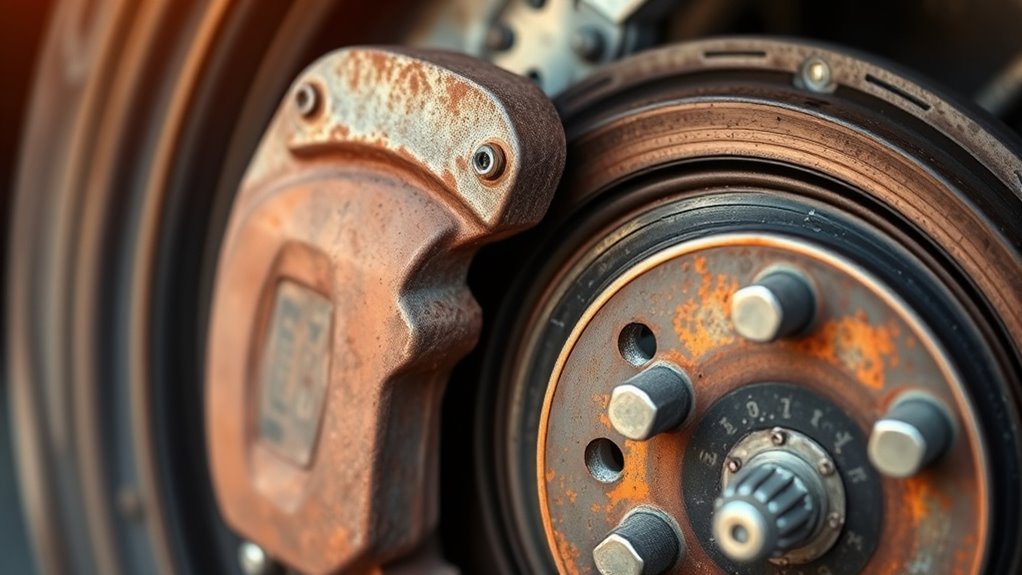
If your car shakes when you brake, it’s usually a sign that something’s wrong with your braking system or tires. The most common culprit is warped brake rotors, which cause uneven contact with brake pads and lead to shaking during braking.
Worn or uneven brake pads, especially those with glazing or debris buildup, can also cause vibrations. Sticking or seized brake calipers may apply uneven pressure, making your steering wheel shake noticeably.
Uneven tire wear or poor tire balance can transfer vibrations to the steering wheel or vehicle body. Sometimes, suspension problems worsen these symptoms by affecting how your tires contact the road.
To pinpoint the exact cause, you need a thorough brake inspection that checks the brake system components, tire condition, and alignment. Addressing these issues early prevents further damage and keeps your car safe and comfortable to drive.
How to Fix and Prevent Brake Shaking for a Smooth Ride
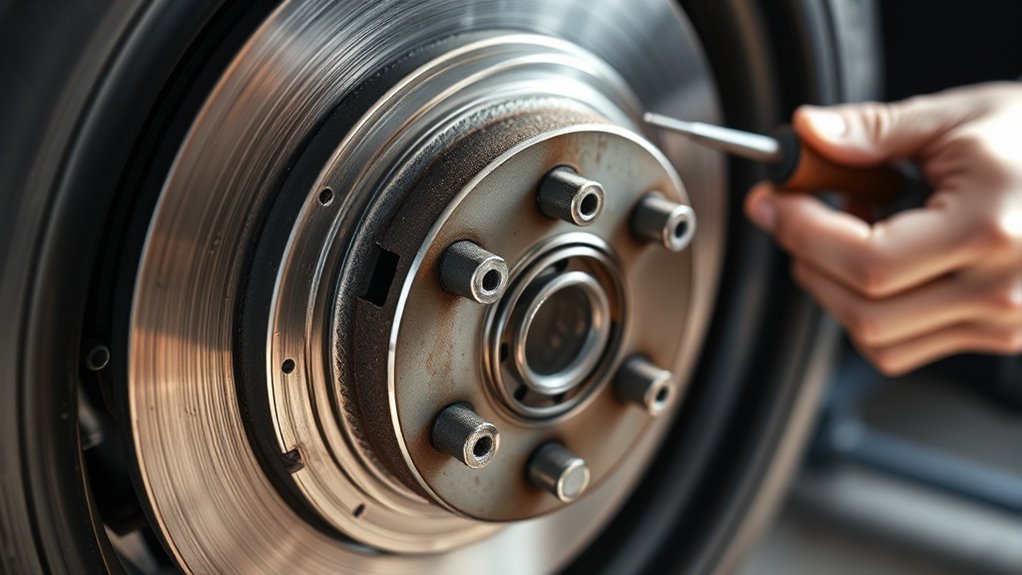
Addressing brake shaking starts with fixing the root causes like warped rotors or uneven tire wear. To restore a smooth ride and guarantee your brake system works flawlessly, you should:
Replace or resurface warped rotors and worn brake pads to eliminate vibrations when pressing the brake pedal. It really makes a difference in how your car feels when stopping.
Fixing warped rotors and worn pads stops vibrations and smooths your braking experience.
Check wheel alignment and balance regularly to prevent uneven tire contact that causes your car to shake. Keeping these in check helps avoid that annoying wobble.
Inspect brake fluid levels and quality to maintain peak brake system performance. Low or dirty brake fluid can mess with how well your brakes respond.
Maintain suspension components to avoid additional vibration sources contributing to brake shaking. Your suspension plays a big role in keeping things smooth.
Drive smoothly, avoiding aggressive braking to reduce brake wear and delay rotors and pads unevenness. Gentle stops not only feel better but also save your brake parts in the long run.
Frequently Asked Questions
How Do I Stop My Car Shaking When I Brake?
You should have your brake system inspected, replace worn pads, and guarantee your rotors are smooth. Balance and align your tires, check calipers for sticking, and avoid aggressive braking to stop your car from shaking when you brake.
It’s all about making sure everything is working right. If something’s off, like your rotors or pads, that shaking can happen. So, keeping those parts in good shape really helps.
Is It Safe to Drive My Car if It Shakes When I Brake?
It’s not safe to drive if your car shakes when you brake, especially if the shaking worsens.
Ignoring it often leads to bigger problems, so get it checked promptly.
You don’t want to risk your safety by waiting too long. Better to be safe and have it looked at soon!
Why Would My Car Be Shaking When I Stop?
Your car shakes when you stop because warped rotors, worn brake pads, or sticking calipers cause uneven braking.
Unbalanced wheels or damaged suspension can also create vibrations. This affects your car’s stability as you slow down.
How Do I Diagnose Brake Shaking Myself?
You can diagnose brake shaking by feeling for vibrations in the pedal or steering. Next, try inspecting your rotors through the wheel.
Then, listen carefully for any noises while braking. Don’t forget to check your tires too—they might be the hidden culprit.
Conclusion
If your car shakes when you brake, you’re not alone—studies show that over 60% of drivers experience brake-related vibrations at some point. This shaking often signals issues like warped rotors or worn brake pads.
Addressing these problems promptly not only smooths your ride but also boosts safety. When you catch these issues early, you avoid further damage and costly repairs down the road.
By keeping your brakes well-maintained, you’ll enjoy a steadier, more comfortable drive every time you hit the brake pedal. Regular brake inspections and timely replacements are key to preventing shaking when braking and ensuring your car stops smoothly and safely. So, if your car is shaking when you brake, don’t wait—get those brakes checked and keep your ride safe and smooth!





2 Comments