
How to Avoid Damage When Doing a Burnout: Is It Bad for Your Car?
Doing burnouts puts serious stress on your tires, drivetrain, transmission, engine, and brakes. These parts work hard during a burnout, and pushing them too much can lead to damage.
So, if you want to avoid costly repairs, it’s important to know how to do burnouts safely.
To avoid damage, limit how long and often you do them. Gradually increase tire spin and revs instead of going all out at once.
Also, give your car time to cool down between attempts to reduce wear and tear.
Controlled, brief burnouts cause less wear, and regular maintenance helps catch issues early.
If you want to keep your car running smoothly and prevent costly repairs, understanding these precautions will help you protect your vehicle better.
Key Takeaways
– Limit burnout duration and frequency to prevent excessive heat and component wear.
Doing too many or too long burnouts can really take a toll on your car. So, keep it short and sweet.
– Gradually increase tire spin and engine revs to reduce sudden stress on drivetrain and transmission.
Don’t just slam the gas; ease into it to help protect your drivetrain and transmission.
– Allow sufficient cooling periods between burnouts to avoid overheating brakes and drivetrain parts.
Give your car a break between burnouts. Let things cool down so you don’t cause damage.
– Use controlled, short burnouts to minimize tire, brake, and transmission damage.
Keep it controlled and brief. That way, you’re less likely to mess up your tires, brakes, or transmission.
– Regularly inspect and maintain tires, brakes, and transmission to catch early signs of wear or damage.
Check your car often and keep up with maintenance. Catching problems early can save you a lot of trouble later on.
Why Burnouts Damage Your Car and How to Limit Harm

Why do burnouts put your car at risk? When you do burnouts, you generate intense heat and stress that directly damage your tires and drivetrain.
The tires soften from the heat, causing tread separation and increasing the chance of blowouts. This quick wear shortens their lifespan considerably.
Meanwhile, the drivetrain faces sudden loads that strain components like axles and driveshafts. These parts often bend or get damaged due to shock and wheel hop.
Your transmission isn’t immune either. Repeated tire spinning especially stresses automatic transmissions’ torque converters, accelerating wear and risking failure.
Heat also builds up in your brakes if you overuse them during burnouts. This can warp rotors and reduce stopping power.
While short, controlled burnouts do less harm, every spin adds cumulative wear to your car’s tires and drivetrain. If you want to limit damage, understanding these risks is the first step to protecting your vehicle while still enjoying the thrill.
Tips to Protect Tires, Transmission, Engine, and Brakes During Burnouts
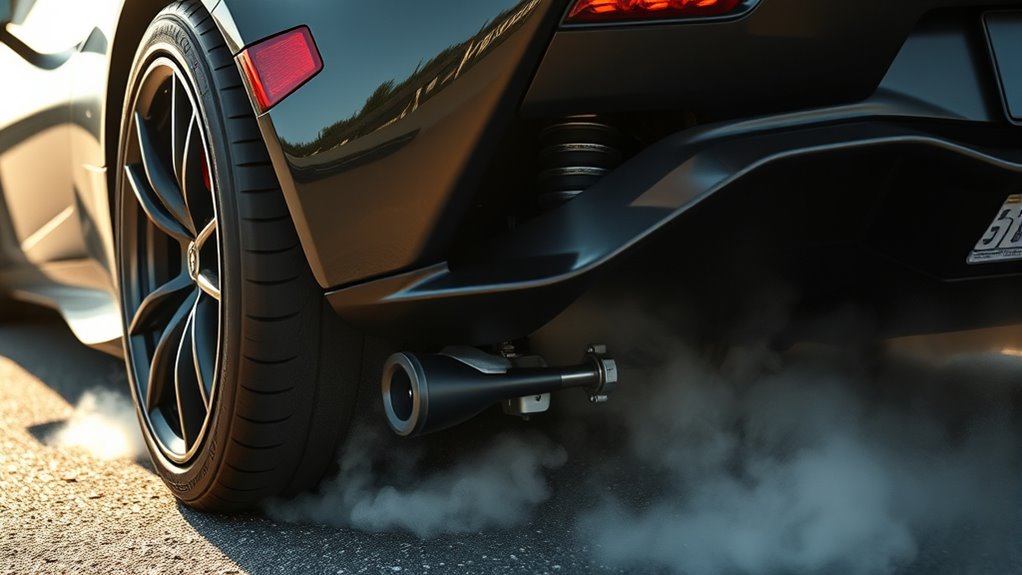
To keep your car in good shape while doing burnouts, you need to take specific steps that protect key components like your tires, transmission, engine, and brakes. Limit the duration and frequency of burnouts to reduce excessive heat buildup in these parts.
Protect your car’s key parts by limiting burnout duration and frequency to prevent overheating and damage.
Try to gradually increase tire spin and engine revs instead of sudden aggressive acceleration. This helps minimize stress on your transmission and tires.
Make sure you allow proper cooling periods between burnouts to prevent overheating of tires, brakes, and transmission components. Using controlled, short burnouts is best.
Avoid holding the brake or clutch engaged for too long, as that can cause unnecessary wear. Also, regularly inspect and maintain your tires, brakes, and transmission to catch heat-related damage early.
Frequently Asked Questions
Does Doing a Burnout Ruin Your Car?
Yes, doing a burnout can ruin your car by causing excessive wear on tires, transmission, and brakes.
You’ll shorten your vehicle’s lifespan if you do it often or without proper precautions to minimize damage.
How Often Should You Drive Your Car to Avoid Damage?
You shouldn’t treat your car like a Model T—drive it regularly, about three to four times a week, to keep parts lubricated and wear balanced.
Don’t overdo stress; give it breaks to avoid premature damage.
Can Burnout Cause Permanent Damage?
Yes, burnouts can cause permanent damage. You’ll wear out tires, overheat brakes, and strain your clutch, transmission, and suspension.
Even occasional burnouts add stress, so you should limit them to protect your car’s longevity. It’s better to be safe than sorry when it comes to your ride.
Does Doing a Burnout Ruin Your Transmission?
About 70% of transmission failures involve excessive heat, which burnouts generate.
Yes, doing a burnout can ruin your transmission if you do it repeatedly or aggressively. It stresses and overheats critical components, causing premature wear.
Conclusion
Think of your car as a trusted companion, not just a machine. When you do a burnout, it’s like pushing a loyal friend to their limits—wearing down tires, straining the engine, and testing the transmission’s patience.
To keep your bond strong, treat your car with care during these moments. Protect its parts thoughtfully, and you’ll enjoy the thrill without leaving scars.
After all, respect keeps the ride smooth and the journey long. Avoiding damage when doing a burnout means being mindful of your car’s limits and maintenance needs.
By taking precautions, you can have fun safely without causing serious harm to your tires, engine, or transmission. Remember, a well-cared-for car means a safer, more enjoyable driving experience every time you hit the road.





20 Comments