What Does L Mean on a Car?
The “L” on your car’s gearshift stands for Low Gear, which keeps your vehicle in first or second gear. It gives you extra engine braking and torque, perfect for driving uphill, towing heavy loads, or steering through slippery roads.
This low gear setting is especially helpful when you need more control over your vehicle’s power and speed.
You’ll want to use it only temporarily to avoid extra wear and higher fuel use. Using Low Gear wisely can make a big difference in tricky driving situations.
If you’d like to understand when and how to use it safely, there’s more useful info ahead.
Key Takeaways
- “L” stands for Low Gear, keeping the vehicle in lower gears for more engine braking and torque. It limits automatic shifting to first or second gear, depending on the vehicle’s model.
- “L” mode is great for driving on steep hills, towing, and slippery or rough road conditions. It gives you better control and helps prevent brake overheating during tough driving situations.
- Just remember to use “L” temporarily. Switch back to “D” for normal driving to avoid extra engine wear.
What “L” Means and How It Works on Your Gearshift
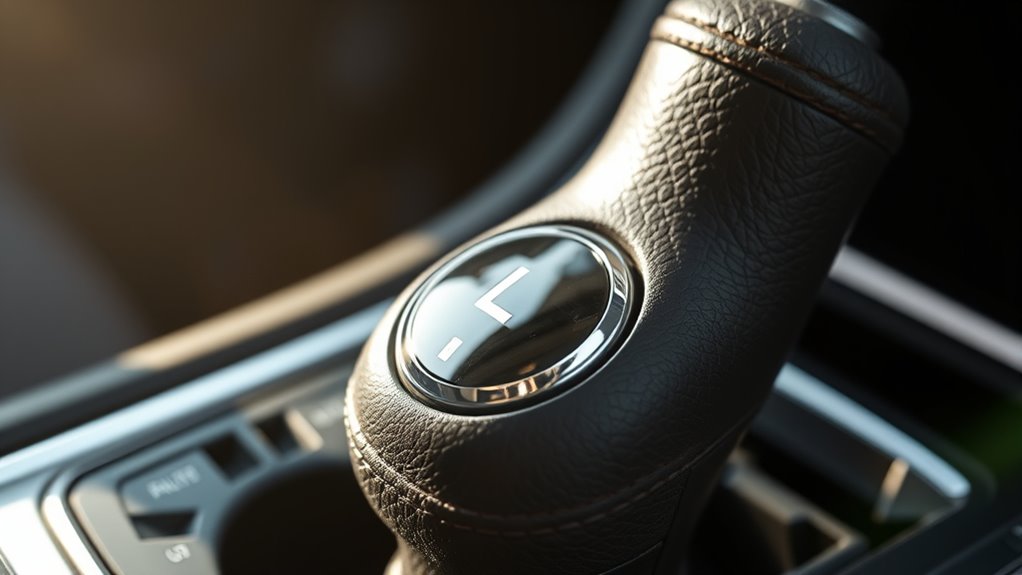
What exactly does the “L” on your gearshift mean, and how does it affect your driving? The “L” stands for Low Gear, which limits your automatic transmission to the lower gear range—usually first or second gear.
When you engage “L,” your car holds these lower gears instead of shifting up, giving you more engine braking and torque. This helps maintain control in certain driving conditions, like steep hills or when towing heavy loads.
In older vehicles, “L” locks you into first gear, while modern cars allow for first and second gears, offering better adaptability. By staying in low gear, your vehicle doesn’t shift automatically as much, which helps prevent your engine from overworking during challenging situations.
However, the “L” mode is designed for temporary use, so you’ll want to switch back to “D” for normal driving to avoid extra engine wear or higher fuel consumption.
When and Why You Should Use “L” Gear Mode Safely

Whenever you face steep hills, heavy towing, or slippery roads, using the “L” gear mode can give you better control and safety by limiting your transmission to low gears. This lower gear setting helps you maintain engine braking and prevents unnecessary shifting.
Facing hills or slippery roads? Use “L” gear for better control and engine braking.
You should use “L” mode in these three key situations:
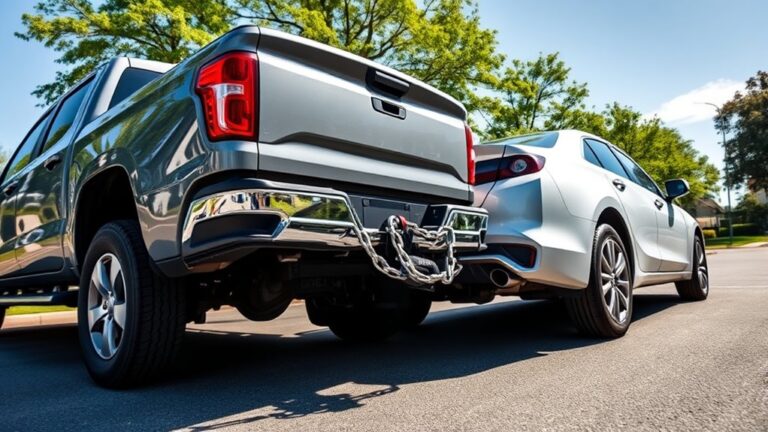
- Towing heavy loads, where extra power and control are crucial.
- Driving uphill or downhill on steep terrain to avoid brake overheating.
- Navigating poor road conditions like snow, ice, or mud for better traction.
Make sure to switch back to “D” mode once the challenging conditions pass to avoid excessive engine wear and high fuel consumption. When parking on steep slopes, engage the parking brake along with “L” to secure your vehicle safely.
And hey, if you’re shopping for used cars, understanding “L” gear can help you find one with proper transmission care. It’s a good sign of solid maintenance habits.
Frequently Asked Questions
When Should I Use L in My Car?
You should use L when towing heavy loads, driving downhill, or climbing steep hills. It really helps keep things under control and gives your car the power it needs.
Also, it’s great for maneuvering at low speeds or when you’re dealing with slippery conditions like snow or ice. Using L prevents those annoying frequent gear shifts, making your drive smoother and safer.
Is It Safe to Drive in L-Gear?
Think of “L” gear as your car’s sturdy anchor in rough seas—it’s safe when you need extra control downhill or towing.
Just don’t keep it engaged longer than necessary, or your engine might wear out faster.
It’s great for short bursts of heavy work, but you don’t want to overdo it.
Should I Drive in D or L?
You should drive in D for everyday conditions because it’s more efficient and smoother.
Use L only when you need extra control, like on steep hills or towing. This helps prevent unnecessary wear and fuel consumption.
Can I Shift to L While Driving?
You can shift to L while driving, but don’t rush—it’s better to be safe than sorry. Only do it at low speeds or on steep hills to avoid transmission damage.
Always check your manual first. It’s the best way to know what’s right for your car.
Conclusion
Think of the “L” gear as your car’s anchor, holding you steady when the road tries to pull you away. By choosing “L,” you’re telling your vehicle to take it slow and steady, especially on steep hills or slippery paths.
It’s your trusty companion in challenging moments, giving you control when gravity pushes hard. So, don’t hesitate to use “L” — it’s your safety net woven into the gears, ready to catch you when you need it most.
In short, the “L” gear is all about giving you better control and safety during tough driving conditions. Whether you’re climbing up a steep hill or navigating slippery roads, shifting to “L” helps your car maintain power and traction. This gear slows down your vehicle and prevents it from shifting into higher gears, which can be risky in certain situations. So next time you face a challenging drive, remember that the “L” gear can be your best friend, keeping you secure and in command on the road.


3 Comments