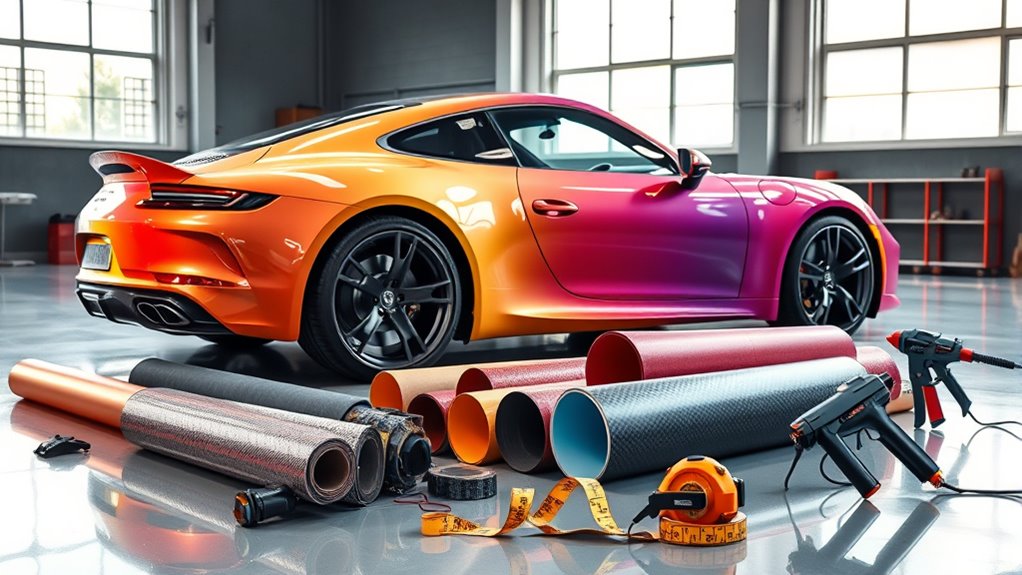
10 Factors That Affect How Much It Costs to Wrap a Car
The cost to wrap your car depends on several key factors you’ll want to take into account. Your vehicle’s size and shape affect how much vinyl and labor you’ll need, with larger or complex surfaces costing more.
Choosing full or partial wraps impacts the price, as does the quality of vinyl you pick—better materials last longer but cost more upfront.
Custom designs and installation location also play roles. Plus, surface prep and extra features can add expenses.
Keep exploring to uncover all the details influencing your car wrap budget. Understanding these factors will help you plan how much you might spend and get the best value for your investment.
Key Takeaways
- Vehicle size and shape affect vinyl quantity and installation time, which means they can really influence wrap costs. Bigger or oddly shaped vehicles usually take more material and effort.
- Vinyl quality is another big factor. Premium materials cost more upfront but tend to last longer and hold up better over time.
- Design complexity and customization can also bump up the price. More detailed designs mean extra labor, printing, and application expenses.
- Surface preparation and the vehicle’s condition matter a lot too. If your car needs cleaning or repairs before wrapping, expect some additional costs.
- Lastly, regional labor rates and material availability can cause prices to vary depending on where you live. Some areas just tend to be more expensive than others.
Typical Car Wrap Costs: What You Can Expect
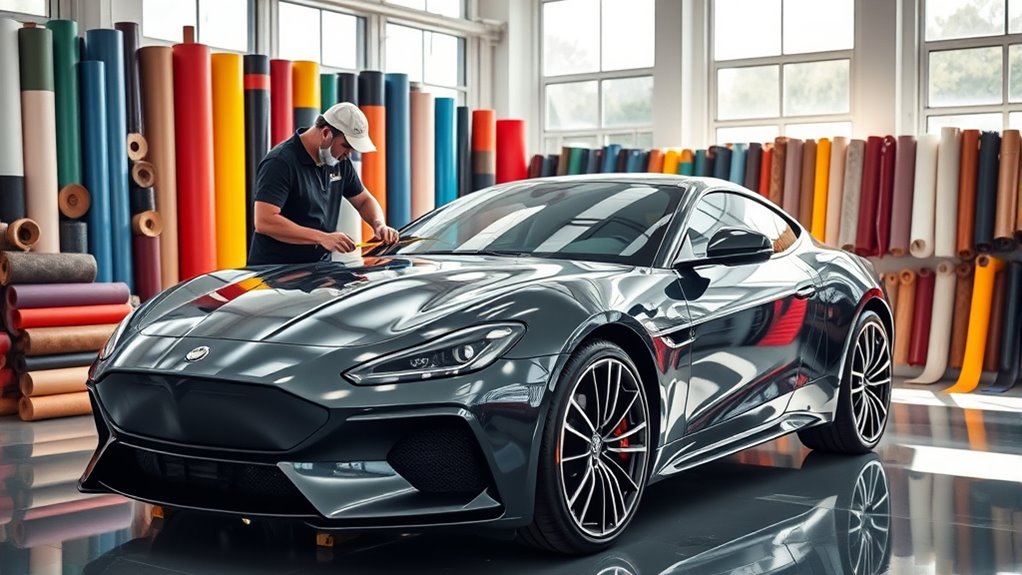
While the cost of car wraps varies, you can generally expect to pay between $2,000 and $5,000 for a full wrap, depending on your vehicle’s size and the material quality. This price range covers standard vinyl wraps that transform your car’s appearance without a full paint job.
Vinyl is popular because it offers durability and a variety of finishes like matte or metallic, which can influence the overall costs. If you want something basic, partial wraps are more affordable, typically costing between $500 and $1,500 based on the coverage area.
Opting for higher-end materials or custom designs can push costs over $10,000, especially when intricate details come into play. While DIY wrapping might seem like a cost-saving option, it requires significant skill and time.
Plus, the material quality you choose will directly impact the final look and longevity of your wrap. Ultimately, the full car wrap you pick balances your budget with your desired style.
How Your Vehicle Size and Shape Affect Wrap Cost
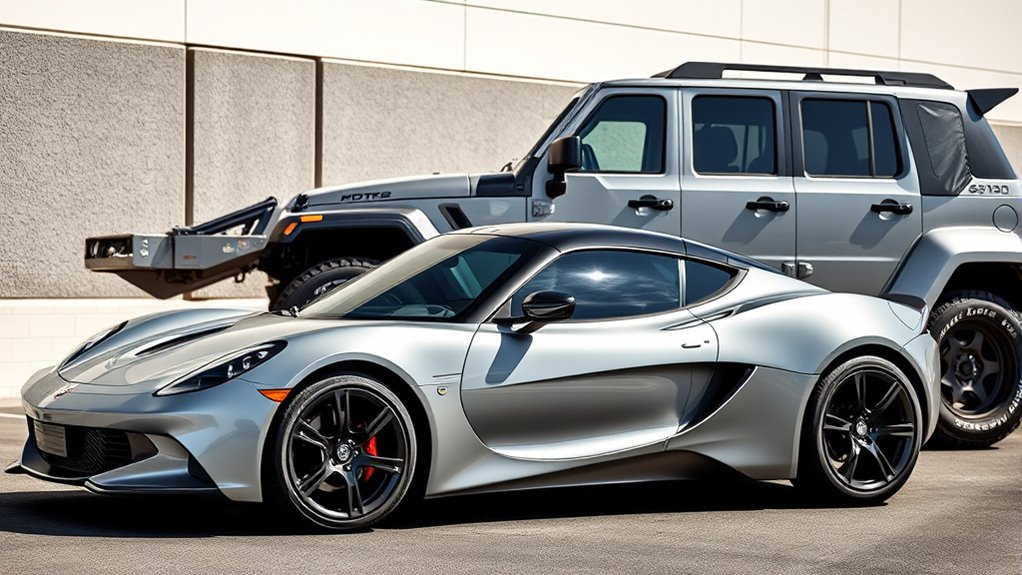
The size of your vehicle plays a big role in wrap costs since larger trucks and SUVs need more vinyl, which adds up quickly.
The shape and complexity of your car—like curves, vents, or spoilers—can also make the wrap harder to install, increasing labor fees.
Vehicle Size Impact
How much does your vehicle’s size and shape influence the cost of a wrap? Vehicle size plays a major role in wrapping costs because it directly affects the surface area and amount of vinyl needed.
Larger vehicles, like trucks and vans, have more surface area to cover, so you’ll need more vinyl and labor, pushing costs between $3,000 and $5,000. On the other hand, compact cars require less vinyl, making full wraps more affordable, generally between $2,000 and $3,500.
Since wrapping costs depend on how much material and work go into covering your vehicle, bigger vehicles naturally cost more. So, when considering a wrap, keep in mind that your vehicle size has a significant impact on the total price.
Shape And Complexity
Because your vehicle’s shape can vary widely, the complexity of its curves and features directly influences the cost of wrapping. Vehicles with a complex shape, like trucks or SUVs, need more vinyl and longer installation time.
Curved surfaces and intricate design intricacy require precise application, raising labor costs. Body modifications such as spoilers or vents demand custom adjustments, further increasing expenses.
Flat, simple surfaces are quicker and cheaper to wrap.
| Vehicle Feature | Impact on Cost |
|---|---|
| Complex Shape | More material, higher cost |
| Curved Surfaces | Precise application needed |
| Body Modifications | Custom adjustments required |
| Design Intricacy | Increases installation time |
Understanding these factors helps you anticipate how your vehicle’s shape affects wrap pricing. It makes planning your budget a whole lot easier!
Full vs. Partial Wraps: Which Costs Less?

Wondering whether a full or partial car wrap fits your budget better? A full wrap covers your entire vehicle, offering a complete transformation, but it comes at a higher cost, typically ranging from $2,000 to $5,000 or more.
Partial wraps, on the other hand, cover only specific areas and usually cost between $500 and $1,500. So, they can be a much more wallet-friendly option.
The key reason partial wraps cost less is that they require less material and labor. Since you’re wrapping smaller sections, the installation is quicker and uses less vinyl, which directly lowers the overall cost.
Plus, if your vehicle has a complex shape or is larger, choosing a partial wrap can save you even more money. It’s a smart choice if you want to keep expenses down.
Partial wraps provide a budget-friendly way to customize your vehicle without committing to the expense of a full wrap. So, if cost is a major factor, partial wraps often make more sense, especially when you don’t need full coverage.
How Vinyl Quality Influences Car Wrap Prices
Though the initial price might seem high, choosing premium vinyl for your car wrap pays off in durability and appearance. High-quality vinyl, like cast vinyl, demands higher material costs, but it offers superior UV resistance and conforms better to your vehicle’s curves.
This quality directly impacts the wrap cost but also extends the life of your investment by lasting 5-7 years or more.
In contrast, cheaper vinyl options might lower upfront expenses but often fade or scratch quickly. This can increase long-term costs because you’ll need more frequent replacements.
When deciding on vinyl quality, consider these factors:
- Material costs vs. lifespan: Higher upfront costs can mean fewer replacements.
- Durability: Premium vinyl resists fading and damage better.
- Wrap cost variation: Depending on vehicle size, quality differences can add hundreds to over a thousand dollars.
Ultimately, investing in high-quality vinyl guarantees your car wrap maintains its look and value longer. It’s worth spending a bit more now to save money and hassle down the road.
How Design Complexity Adds to Wrap Costs
When you choose intricate patterns, expect higher labor costs because they take more time and skill to apply.
Custom graphics with multiple colors add extra steps like printing and lamination, which increase expenses. Plus, detailed colors demand precision, so the overall wrap cost goes up as design complexity grows.
Intricate Patterns Increase Labor
Because intricate patterns demand precise cutting and careful application, they considerably increase the labor involved in car wrapping. When you choose complex designs, expect longer labor time and more detailed installation work.
The application requires extra skill to align the patterns perfectly, preventing costly mistakes or misalignments. These factors directly impact the overall cost.
- Intricate patterns often need multiple layers and colors, requiring careful layering during installation.
- Complex designs increase the likelihood of errors that demand additional labor to fix.
- Detailed patterns extend installation time by several hours compared to simpler wraps.
Custom Graphics Raise Expenses
Intricate patterns aren’t the only factor that drives up car wrapping costs—custom graphics add another layer of expense. When you choose custom graphics, the design complexity often means more time and expertise are needed.
Multi-layered graphics or custom logos require advanced printing techniques and precise application. Using high-resolution images, especially multi-color or photographic ones, demands higher-quality vinyl and careful handling.
This level of detail adds to both production and labor costs, as installers must ensure exact placement to avoid imperfections. You’ll also face additional design work fees since custom graphics aren’t as straightforward as standard wraps.
Ultimately, the more personalized and intricate your design, the more you can expect labor costs and printing expenses to increase. This impacts the total price of your car wrap.
Detailed Colors Require Precision
Although detailed colors make your car wrap stand out, they demand extra precision during printing and application. When your design is complex, the process takes more time and skill, which raises labor costs.
Printing high-resolution, multi-color images requires specialized equipment, while application involves careful alignment to avoid mistakes. These factors make detailed colors more expensive than simple wraps.
Consider these points when planning your wrap:
- Complex design needs precise color matching and lamination, adding extra steps.
- Skilled installers are essential to handle detailed colors without errors.
- Longer application times increase labor charges and the chance of rework.
Professional Installation Costs for Car Wraps
When you choose professional installation for your car wrap, you can expect to pay between $1,500 and $5,000, depending on your vehicle’s size and complexity.
The car wrap cost reflects the quality of installation and thorough surface preparation, which prevents bubbles and peeling. Larger vehicles or those with intricate surfaces need extra labor, raising the price.
Skilled installers use advanced tools to guarantee a seamless finish and often back their work with warranties.
| Vehicle Size | Installation Time | Estimated Cost |
|---|---|---|
| Small (compact car) | 4-6 hours | $1,500 – $2,000 |
| Medium (sedan, SUV) | 6-8 hours | $2,000 – $3,000 |
| Large (truck, van) | 8-12 hours | $3,000 – $5,000 |
| Complex surfaces | 10-14 hours | $4,000 – $5,000 |
Choosing professional installation guarantees durability and a flawless appearance.
How Location Affects Car Wrap Prices
Where you get your car wrapped plays a big role in the price you’ll pay. Labor costs vary by region, and some areas might have limited access to the materials needed for your wrap.
Understanding how local factors affect pricing can help you make a smarter choice. It’s always good to check around and see what options are available nearby. That way, you can get the best deal without compromising on quality.
Regional Labor Costs
How much you pay for car wrapping can depend heavily on where you live. Regional labor costs play a major role in shaping vehicle wrapping prices. Urban areas with higher living expenses and demand often charge more for professional wrap installation.
For example, cities like New York or Los Angeles can see labor prices 20-30% above smaller towns. Several factors influence these regional differences.
Local economic conditions, including minimum wages and business costs, directly affect labor charges. Areas with many skilled wrap shops may have higher prices due to competition and quality expectations.
Also, limited availability of experienced installers in some regions can increase labor premiums and wait times. Understanding these regional labor cost variations helps you budget more accurately for your car wrap project.
Local Material Availability
Why does the availability of materials in your area matter for car wrapping costs? Material availability directly impacts the price and options you get.
If you live in a major city, local suppliers often stock a variety of vinyl brands, giving you competitive regional pricing. But in areas with limited access to high-quality vinyl, you may face higher shipping costs because materials need to be shipped from distant warehouses. This adds to the overall cost.
Also, local demand influences prices—high-demand regions typically charge more for both materials and installation. If your area experiences extreme weather, you might need specialized, more durable vinyl, which local suppliers may carry less frequently, pushing prices up.
Understanding how local material availability affects costs helps you budget smarter for your car wrap.
Vehicle Surface Preparation and Its Cost Impact
Preparing your vehicle’s surface properly is vital for a successful car wrap and can add between $100 and $300 to the total cost.
Surface preparation ensures strong vinyl adhesion by removing dirt, grease, and wax using specialized cleaning solutions. If your vehicle surface has dents, rust, or paint damage, addressing these imperfections is important to avoid repair expenses later on.
Skipping this step can lead to bubbling, peeling, or premature wrap failure. That only increases your installation cost because you’ll need reapplications.
Consider these key factors during surface preparation:
- Thorough cleaning and decontamination for maximum vinyl bonding
- Repairing or smoothing surface imperfections before wrapping
- Handling complex surfaces that require extra prep time and labor
Vehicle Features and Extras Adding to Wrap Cost
Once your vehicle’s surface is ready, the unique features and extras of your car play a big role in shaping the wrapping cost. Vehicles with complex body shapes—like curves, vents, or falcon doors—demand more precise application, which drives up wrapping costs.
Complex vehicle shapes require careful wrapping, increasing labor and overall cost.
When your vehicle has side mirrors, door handles, or emblems, installers often need to disassemble or carefully work around these parts. That adds time and expense.
If you want custom graphics, logos, or intricate designs, expect higher costs due to extra labor and specialized materials. Plus, adding protective coatings such as ceramic layers boosts durability but also increases the total price.
All these vehicle features and extras require skilled attention. It makes your wrap more costly, but it ensures a flawless, lasting finish tailored to your car’s unique profile.
Maintenance and Longevity Costs for Car Wraps
Though a car wrap can transform your vehicle’s look, maintaining it properly is essential to protect your investment and extend its lifespan. The longevity of your wrap depends heavily on consistent maintenance and care.
Neglecting these can lead to fading, peeling, or costly repairs. So, it’s worth putting in the effort to keep your wrap in top shape.
To maximize durability and reduce repair costs, consider these key points:
- Hand wash your car with mild soap and avoid automated washes to prevent damage.
- Apply protective coatings like ceramic layers to shield the wrap from environmental wear.
- Park in shaded or covered areas to minimize sun exposure and prevent fading.
Regularly inspect your wrap for bubbles, tears, or peeling. Addressing minor issues promptly can prevent expensive replacements.
With proper care, a high-quality vinyl wrap can last between 5 to 7 years, ensuring your car stays looking fresh while keeping maintenance and longevity costs manageable.
Frequently Asked Questions
What Are the Downsides to Wrapping Your Car?
You might face paint damage if removal’s done wrong, and poor wraps can bubble or peel. Visibility could decrease near windows, and repairs get tricky.
Plus, fixing complex wraps can get costly and time-consuming. It’s definitely something to consider before you decide to wrap your car.
Does a Wrap Devalue a Car?
You won’t usually see a devaluation; 85% of professionally wrapped cars keep their resale value.
If you choose quality installation and remove the wrap carefully, your car’s original paint stays protected and intact.
How Long Will a Car Wrap Last?
A car wrap usually lasts 5 to 7 years if you care for it properly. You’ll want to wash it gently and avoid harsh weather to keep it looking fresh as long as possible.
Taking good care of your wrap really makes a difference. So, be gentle when cleaning and try to protect it from extreme conditions. That way, it stays vibrant longer!
Which Is Better, PPF or Wrap?
PPF is better if you want strong protection against chips and scratches, while wraps are better for vibrant colors and custom designs.
You’ll choose based on whether you prioritize durability or aesthetics for your car. It really depends on what matters most to you.
Conclusion
Think of wrapping your car like dressing it for a grand event. The size of the outfit, the fabric quality, and the intricate embroidery all shape the final price tag. Just as a tailor adjusts for unique body features, your vehicle’s shape and prep affect costs too.
By understanding these factors, you’re better equipped to dress your ride in style without surprises. This way, you can ensure your car turns heads without emptying your wallet. Knowing what affects how much it costs to wrap a car helps you plan smart and get the best value.
So, before you jump in, consider the size, type of wrap, and condition of your vehicle. With these insights, wrapping your car becomes a smooth, budget-friendly experience that leaves you proud of your ride!



4 Comments